Savannah
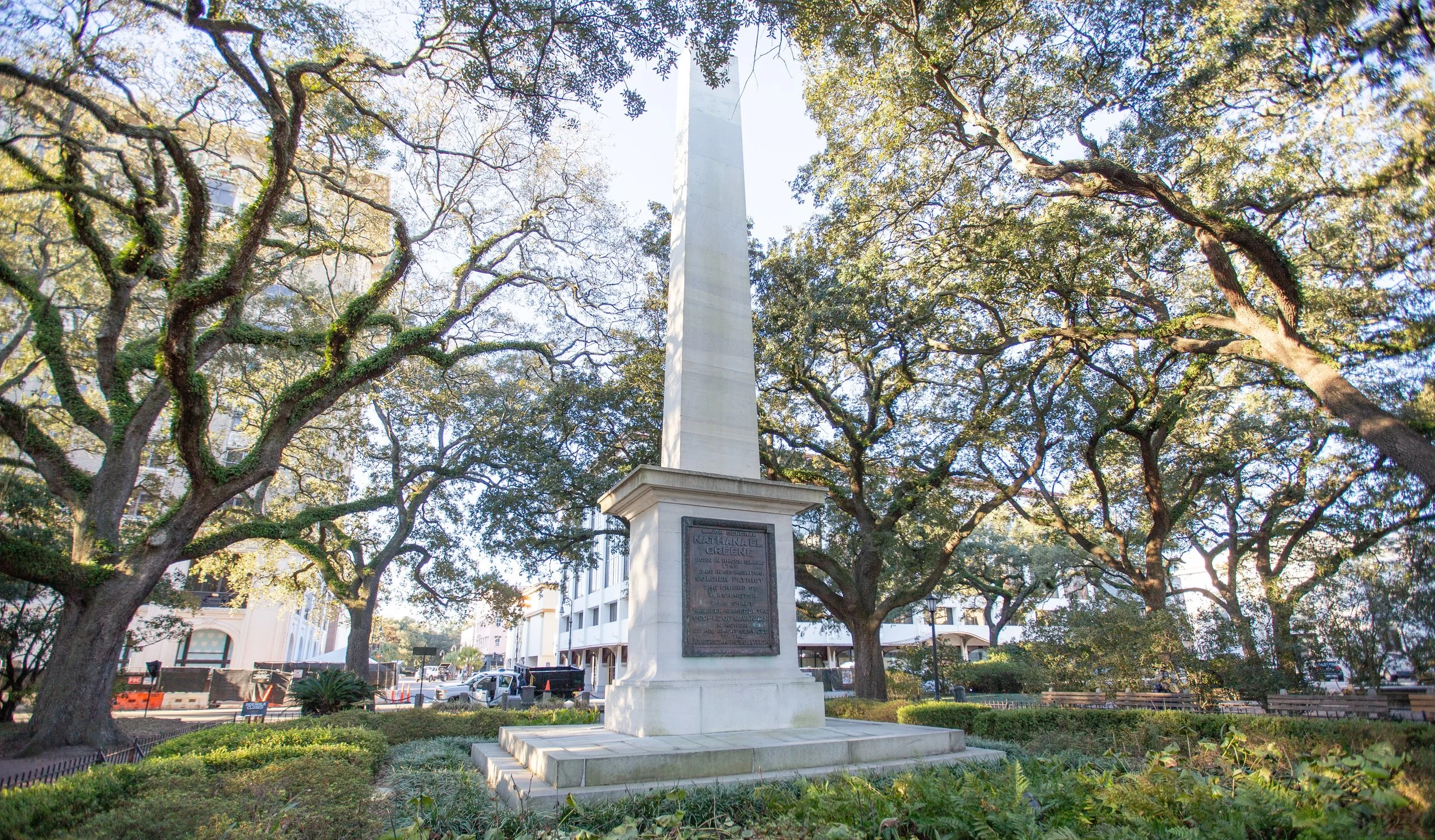
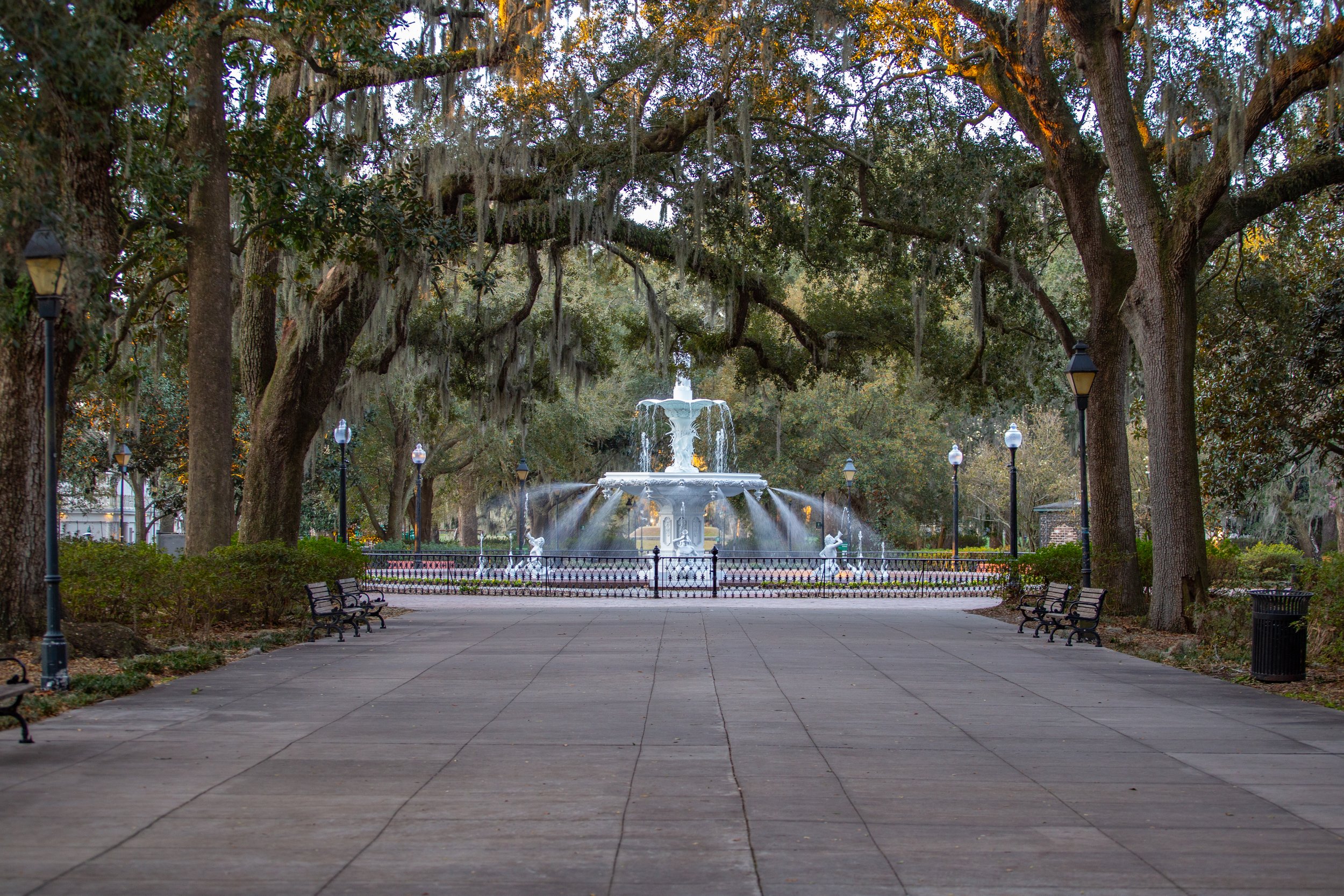
Savannah is built around a series of squares — twenty-two of them still intact — shaded by ancient live oaks draped in Spanish moss. It's one of the most deliberate urban designs in America, laid out by James Oglethorpe in 1733, and somehow it still works perfectly. The squares slow everything down. You can't drive through them; you have to go around. That's sort of the point.
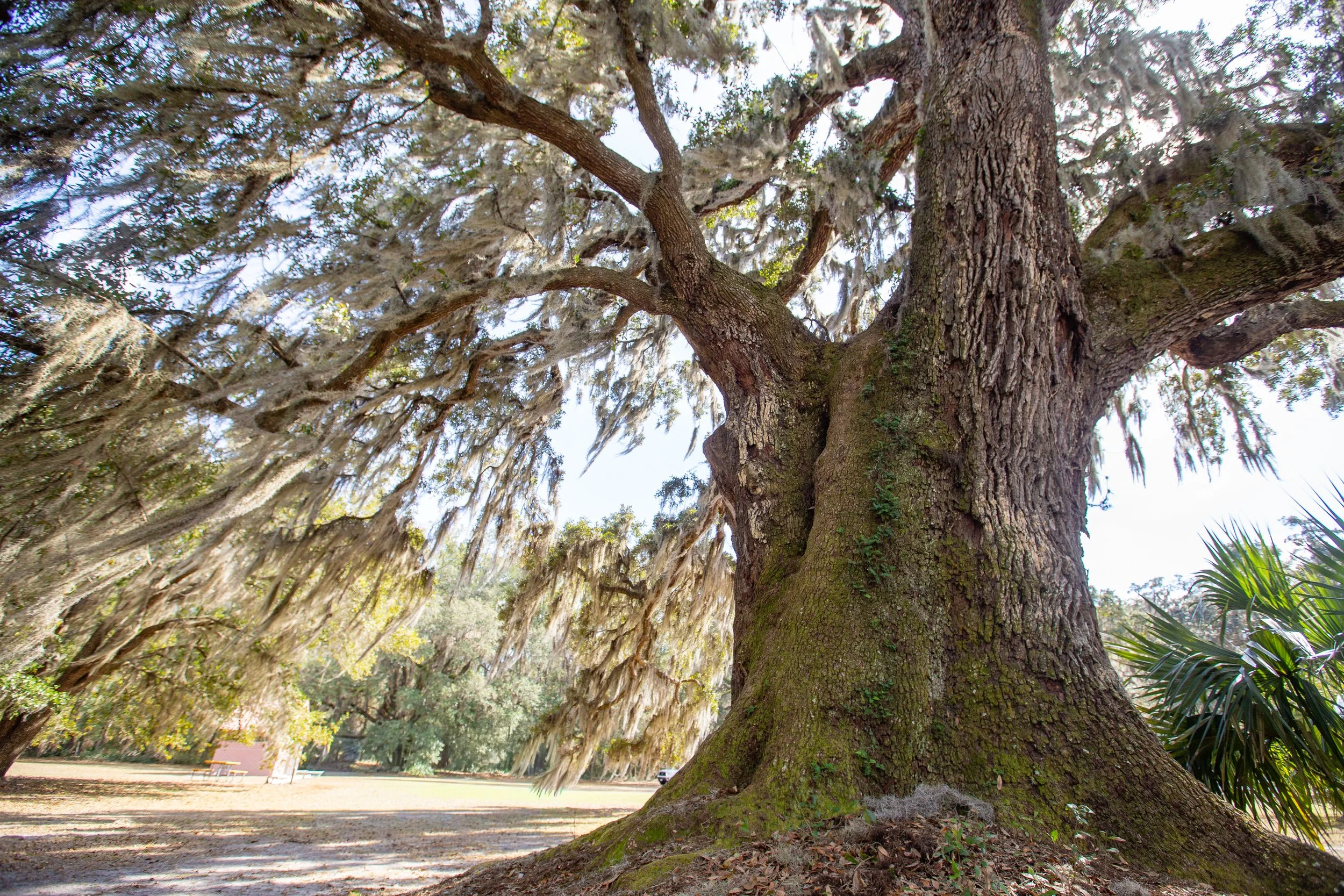
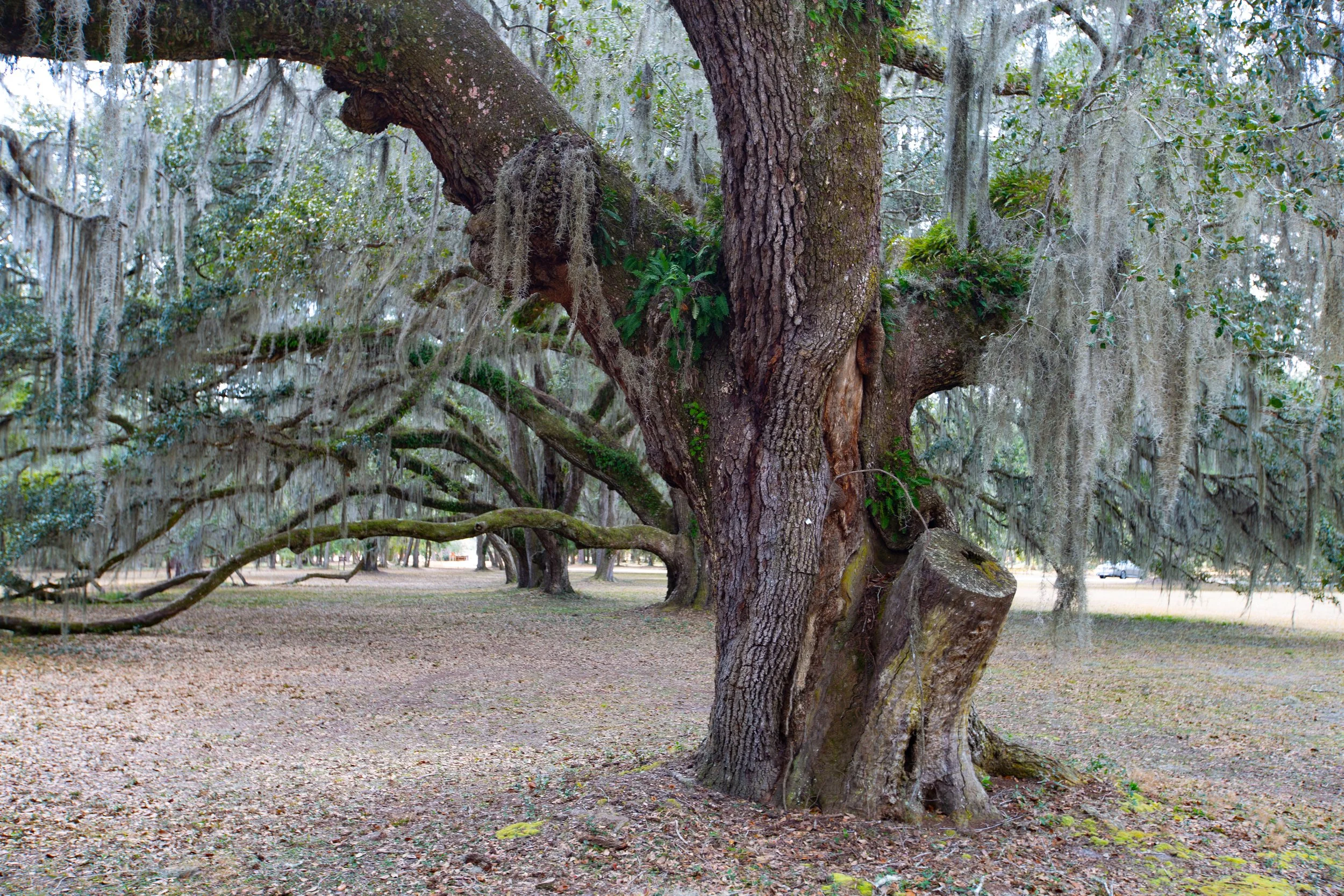
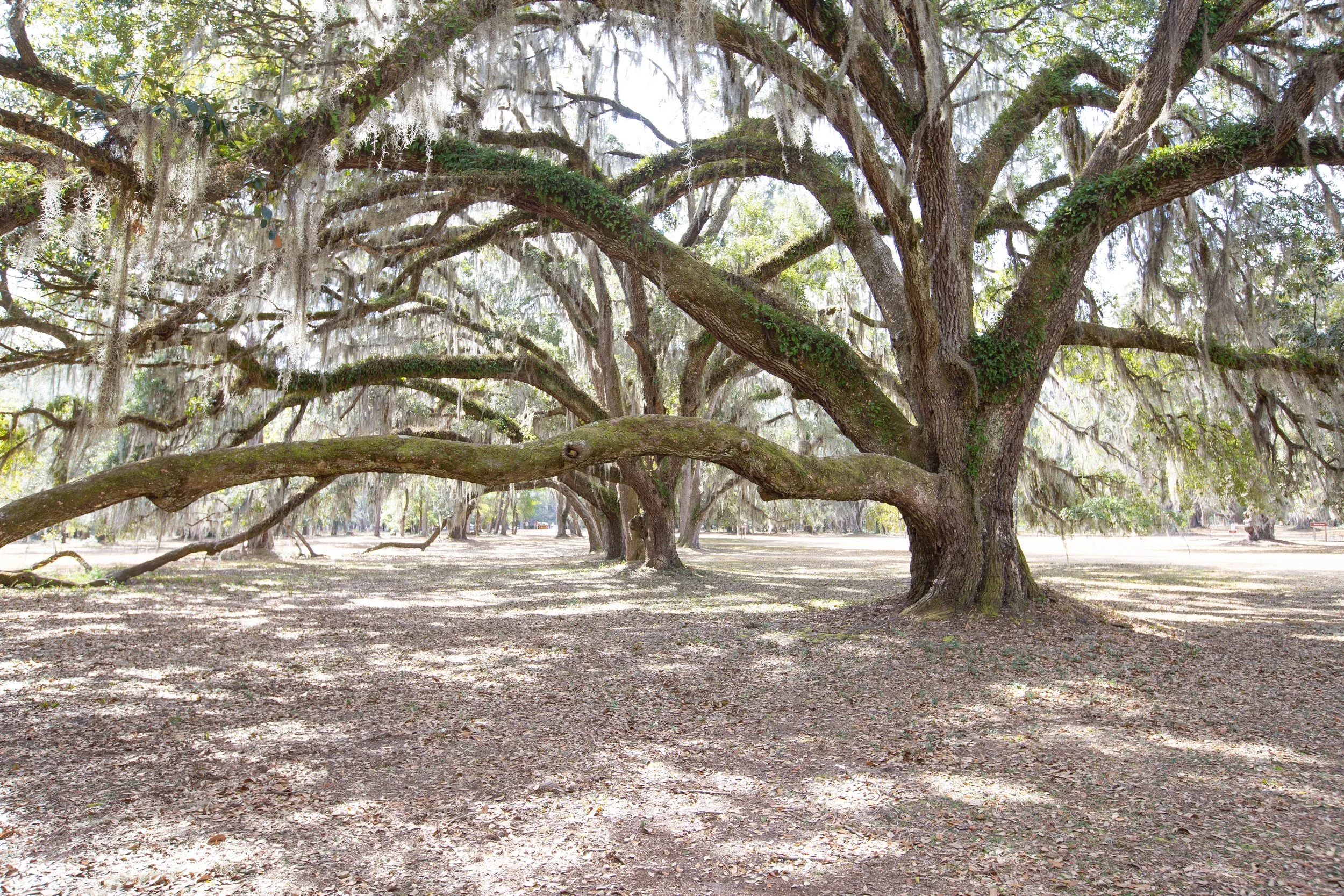
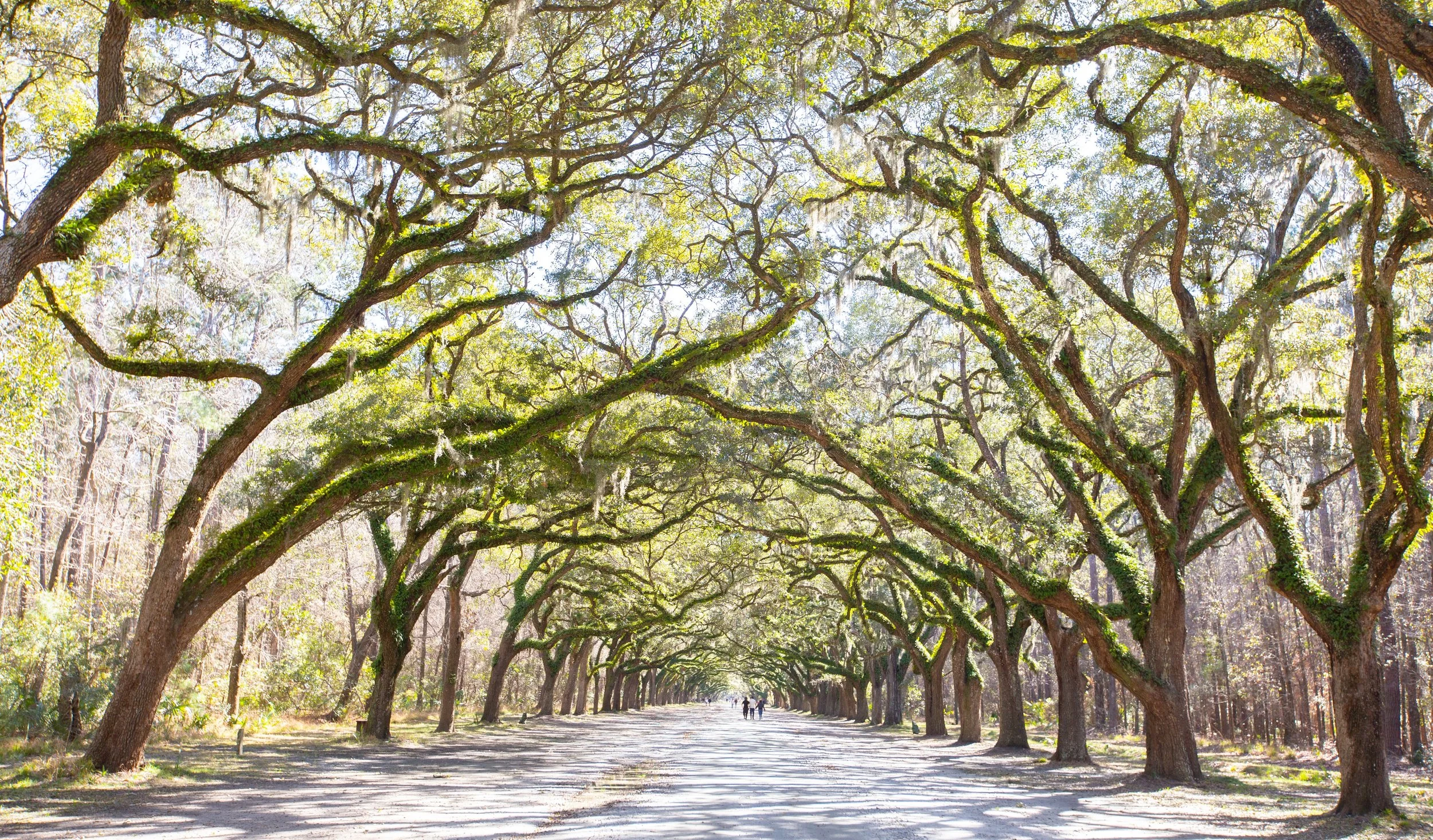
I fell in love with the Southern Live Oaks in Savannah. To see more of these old wise trees, I made my way deep into the Lowcountry. Some of the oldest (one below) I found at the Hofwyl-Broadfield Plantation Historic Site — as old as 900 years. Now talk about wisdom.
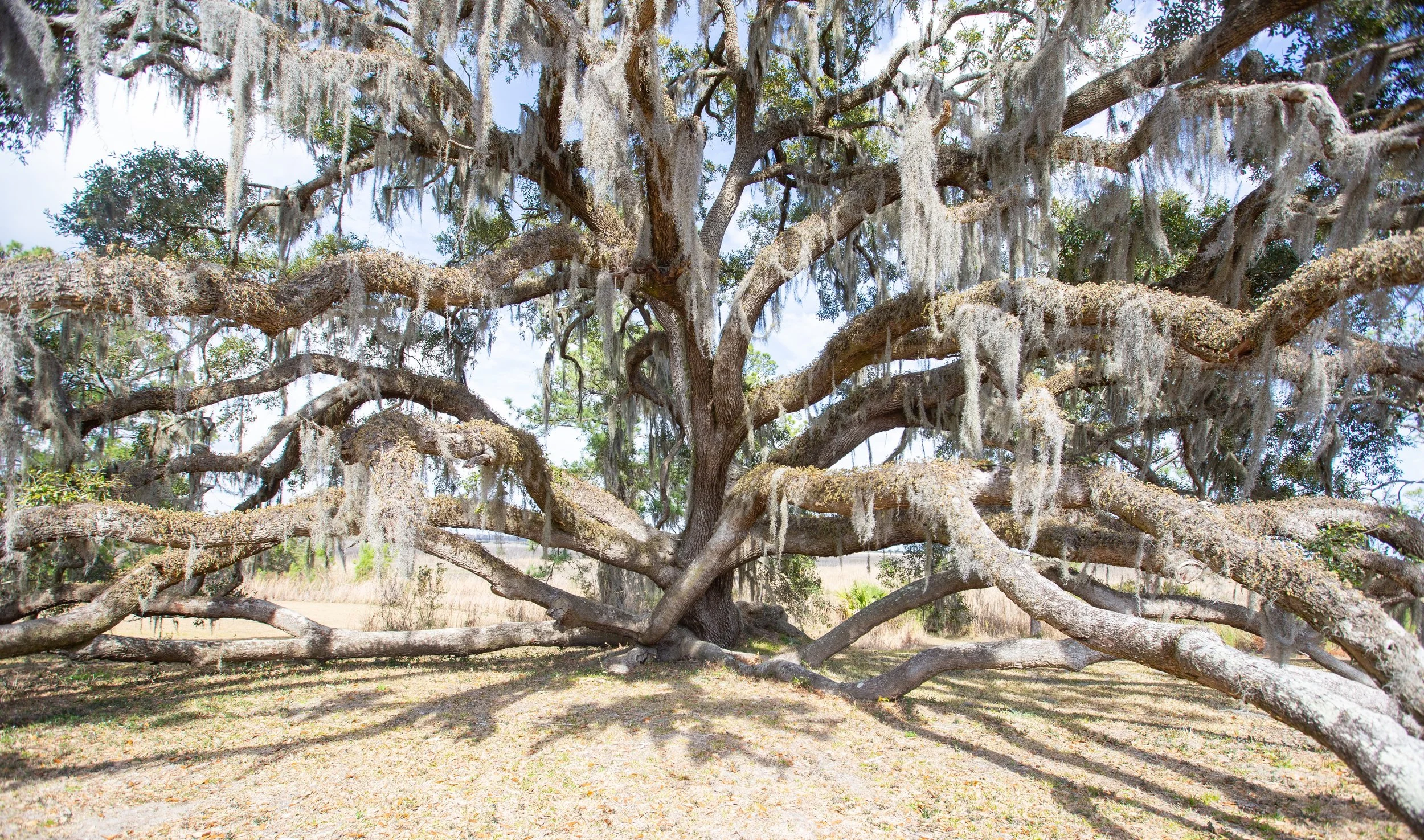
Spanish moss — which is neither Spanish nor a moss, but actually a bromeliad related to the pineapple — drapes itself across the live oak's limbs in a relationship that botanists classify as commensal. The moss takes something from the arrangement, using the oak's broad horizontal branches as a perch to catch sunlight and moisture from the air. The oak, as far as anyone can tell, gives up nothing. It isn't harmed, isn't fed upon, isn't weakened. The moss simply arrives, finds purchase in the rough bark, and begins its slow, silvery accumulation. Over time the two become so visually inseparable that it's almost impossible to imagine one without the other — the oak providing the grand architecture, the moss providing the atmosphere, the mood, the sense that you are somewhere old.
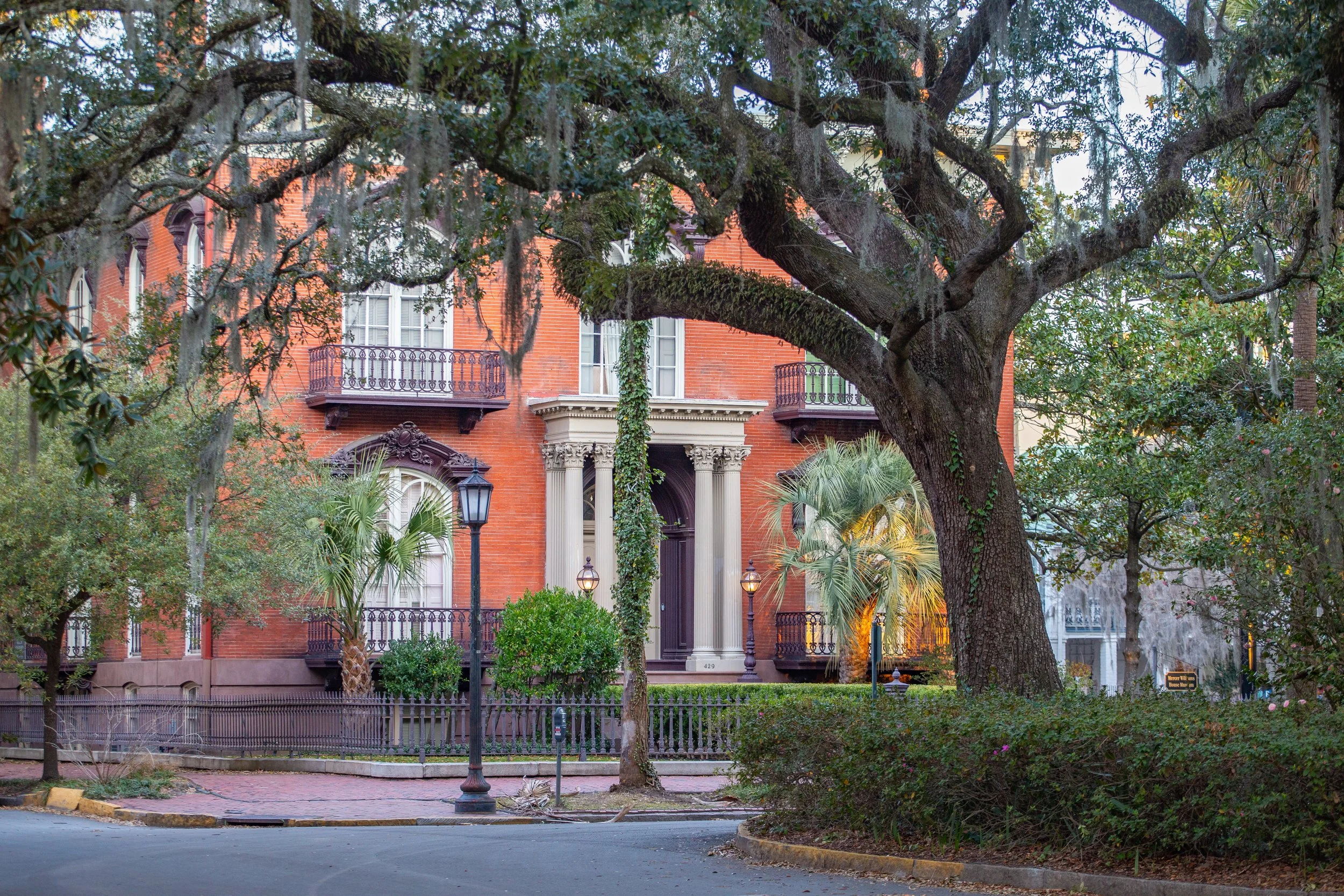
In the city, the live oaks do something remarkable for a photographer — their canopies arch over the streets and squares, framing the antebellum architecture in a way no one could have planned better. The dappled light filtering through the moss, the curve of an iron balcony half-hidden behind a sprawling limb, the way morning fog settles under the canopy and holds — Savannah hands you compositions at every turn.