
Oak Tales (Part 1) | Savannah
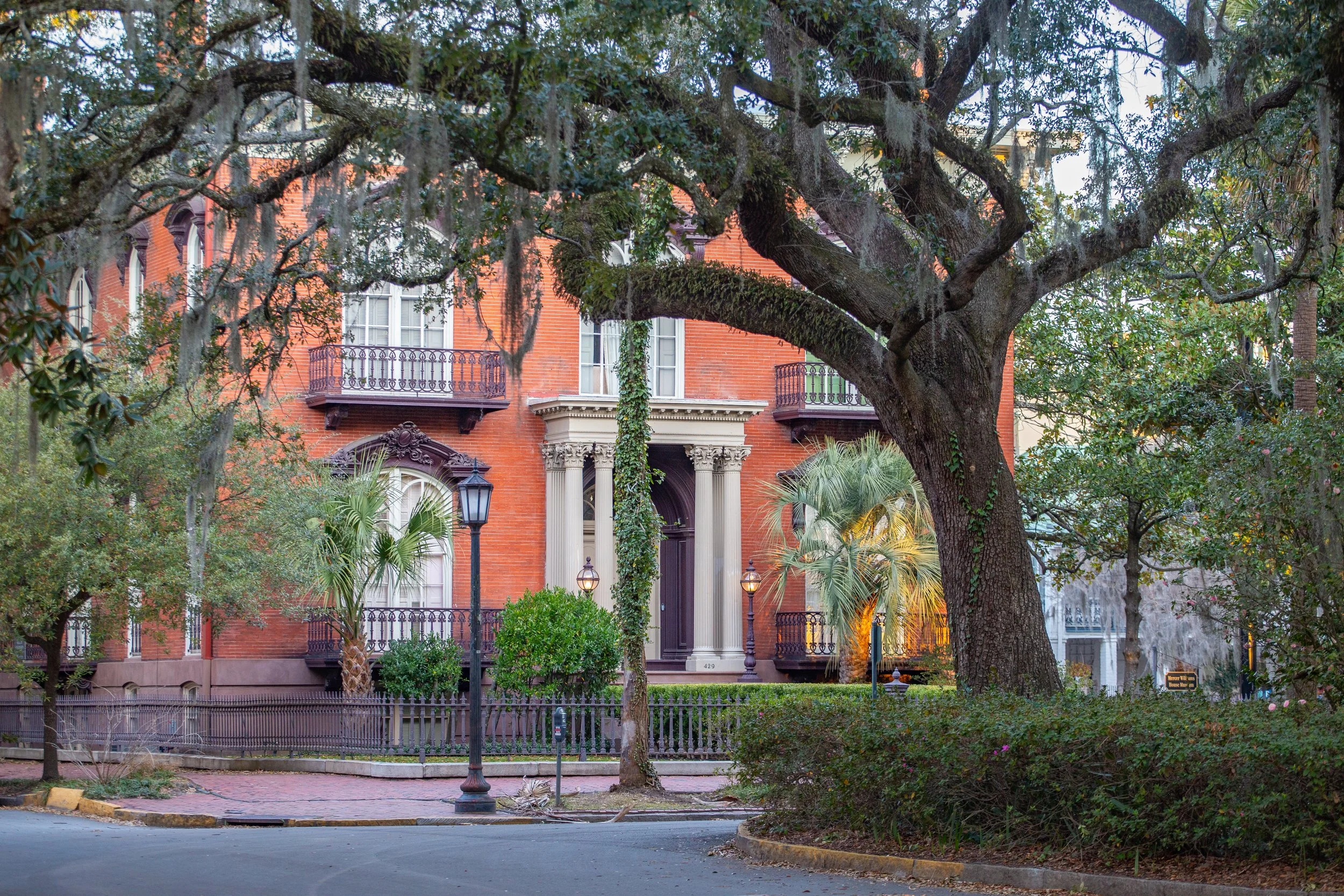
Savannah Southern Live Oaks
Savannah’s historic architecture, draped in live oak canopies and edged with intricate ironwork balconies, embodies the city’s enduring Southern grace and quiet, timeworn elegance.
I run beneath them, the vaulted corridors of Southern live oaks capable of living nearly a thousand years. Their limbs sweep outward in muscular arcs, bending low before rising again, conjuring green cathedrals above asphalt and brick. Spanish moss drapes from their branches in soft gray veils, suspended like held breath in humid air. They are engineered for the Lowcountry by centuries of coastal wind, salt spray, and waterlogged soil. Their roots drink deep. Their limbs shrug off hurricanes. Some have stood here for four hundred years, like the Majestic Oak near Wormsloe Historic Site, bearing witness to everything Savannah has chosen to remember and everything it has chosen to forget.
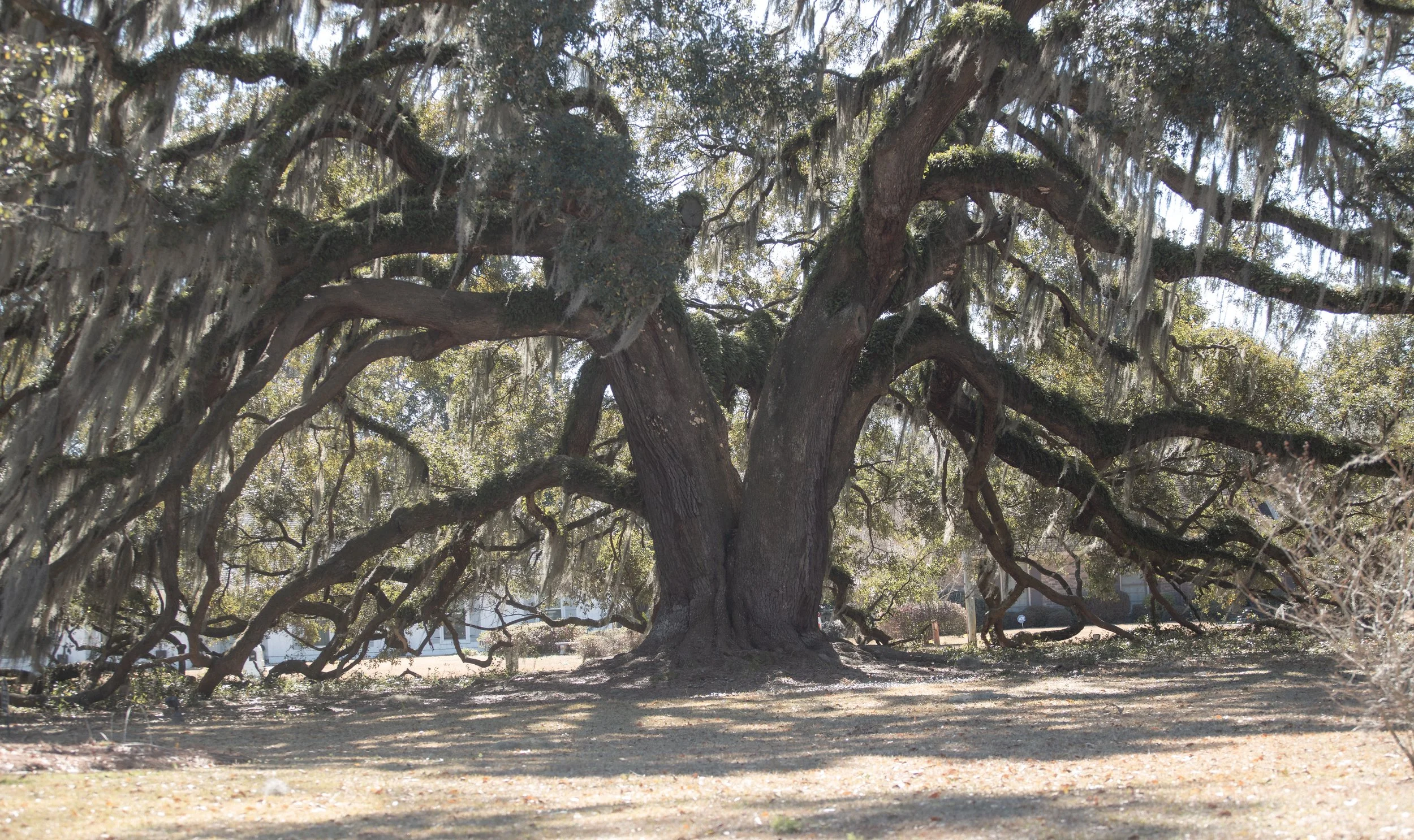
Majestic Oak
The Majestic Oak is believed to be between 300 and 400 years old and is thought to be the oldest, and possibly the largest, tree in Savannah. It stands alone in the center of a quiet cul de sac just off La Roche Avenue.
On the morning of my 20-mile run, I decided to listen. Not to music. Not to pace alerts. But to the Southern Live Oaks. To what they have been quietly holding unto these years.
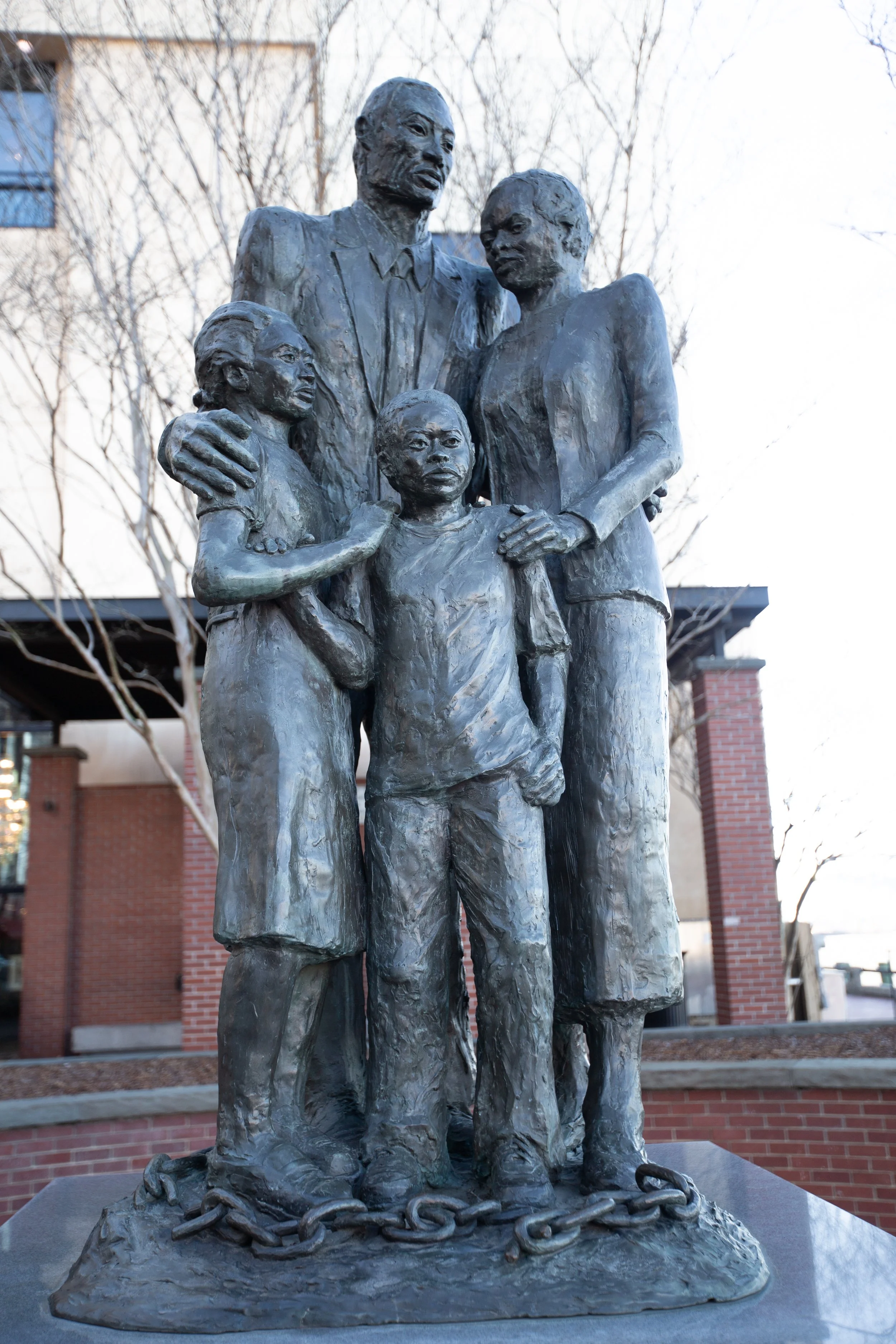
African American Family Monument
The monument captures a family of four in the staggering, silent moment of their freedom. They stand poised between a suffocating past and an unwritten future. On the statue is Maya Angelou’s inscription:
We were stolen, sold and bought together from the African continent. We got on the slave ships together, we lay back to belly in the holds of the slave ships in each others excrement and urine together. Sometimes died together and our lifeless bodies thrown overboard together. Today, we are standing up together, with faith and even some joy.
I start my watch at the African American Monument on River Street. Erected in 2002, the bronze sculpture depicts a family encircled by Maya Angelou's words cast in stone. Behind me, the Savannah River moved wide and slow, brown as river silt, indifferent as time. Overhead, the first oaks leaned in. Begin here, they seemed to say. This is the honest start. To understand Savannah’s beauty, one must also confront its shadows. The Oaks tell me.
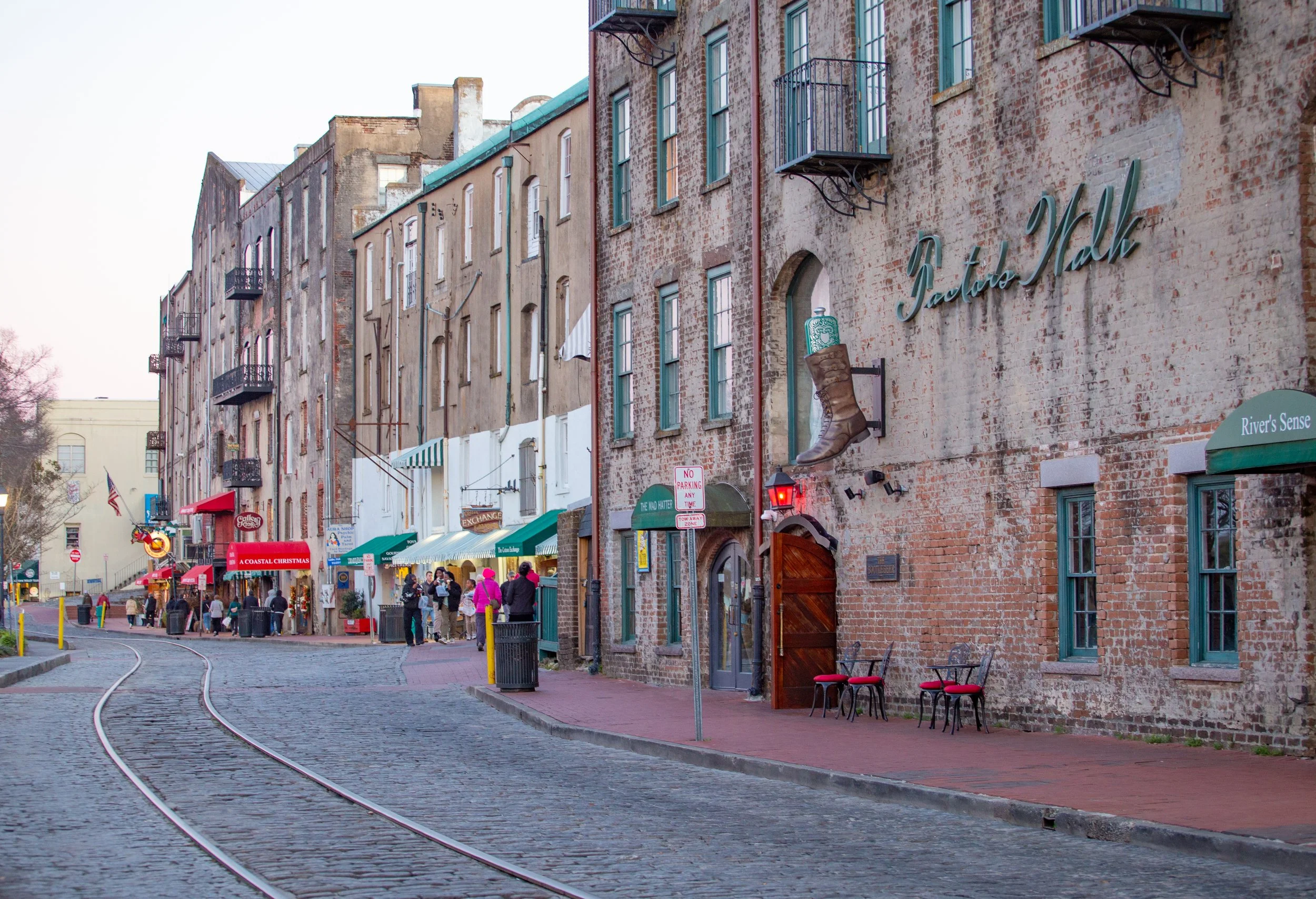
River Street
My legs are fresh. I cross River Street towards City Hall, cobblestones tilting unevenly beneath my stride, each one demanding a small negotiation of balance and attention.
These stones have traveled farther than most who cross them today. Gathered as ballast from ships out of Madeira, Spain, the British Isles, Canada — chert, quartz, granite, basalt — they arrived as dead weight and were discarded onto the waterfront when the real cargo was unloaded. Absorbed into the city's foundation, as so many things here have been. Cotton passed over them. Rice passed over them. Human beings passed over them.
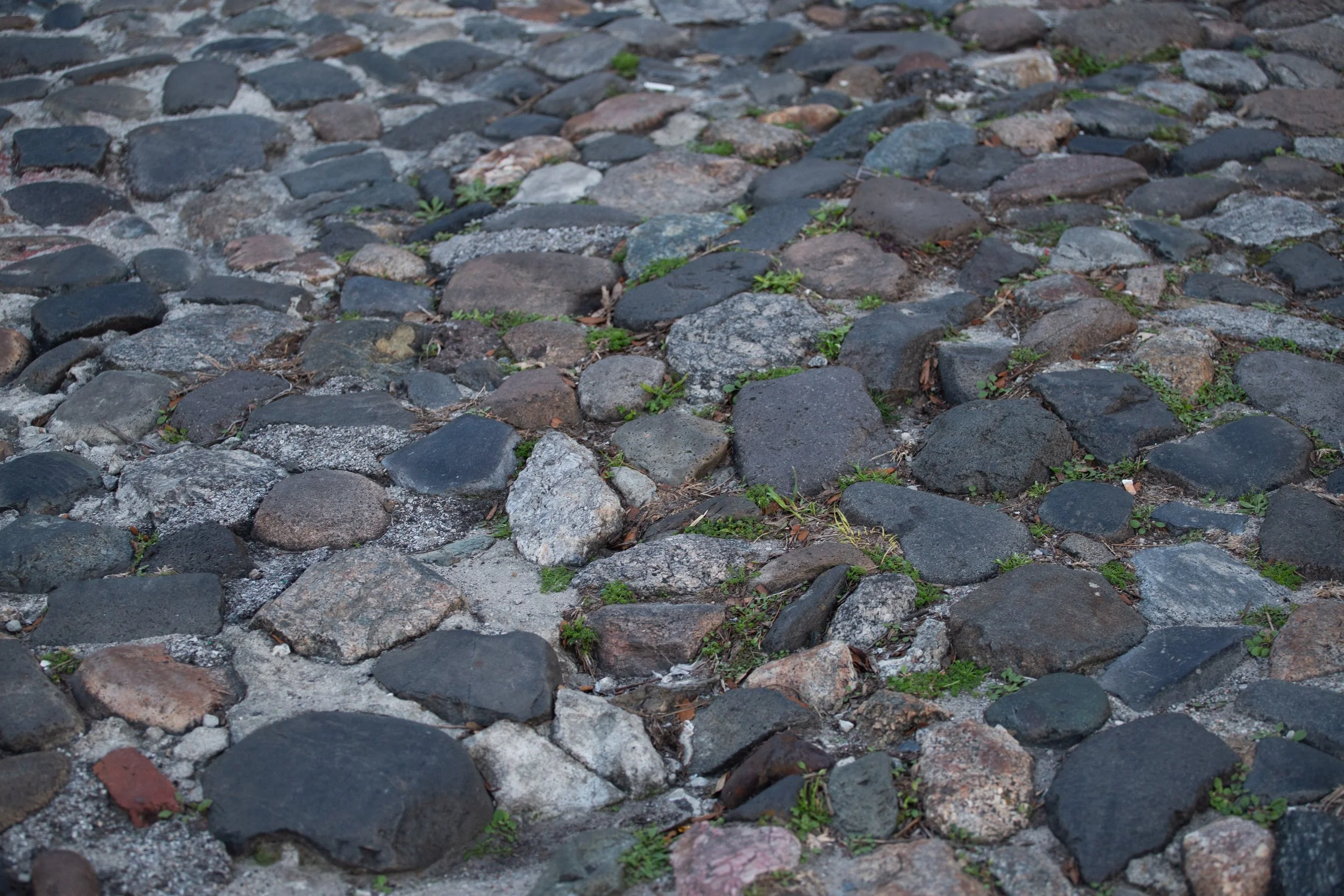
Cobblestones on Factors Walk
Above the waterfront, Factors Walk command the skyline — a series of iron-and-concrete bridges perched over Bay Street, where commercial brokers leaned from their counting house windows to grade incoming harvests and dictate prices that rippled across the Atlantic. The architecture was ingenious: elevated sight lines, immediate river access, perfect control over what moved below. The Factors saw everything from up there. They priced everything from up there.
Including people.
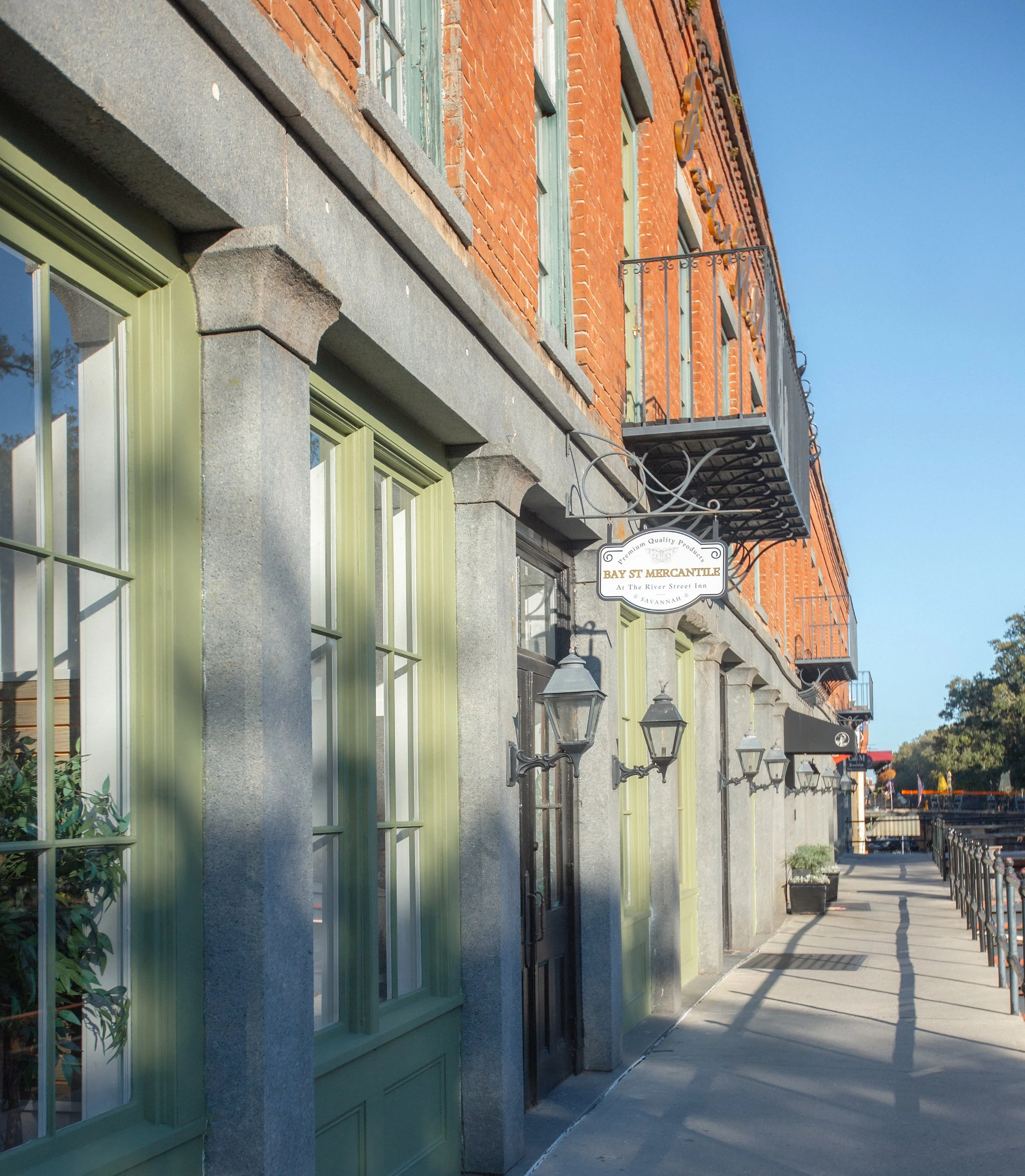
Shops at Factors Walk
The cotton economy and the slave economy were not parallel systems. They were the same system. The limestone walls and cobblestone ramps that channeled bales of white gold also channeled human beings, their lives assessed as capital by the same men who graded the quality of fiber with such meticulous care. Enslaved people were sold at the nearby Montmollin Building and in the city's public squares, their value calculated in the same ledgers, in the same ink, by the same hands. To walk Factors Walk today is to move through a landscape of enforced duality: the architectural confidence of a rising port city constructed, literally and deliberately, on the dispossession and sale of the African diaspora.
The oaks along the bluff had watched all of it. They stood in salt air while the ships docked and undocked, season after season, decade after decade. They do not forget what moved beneath their canopy.
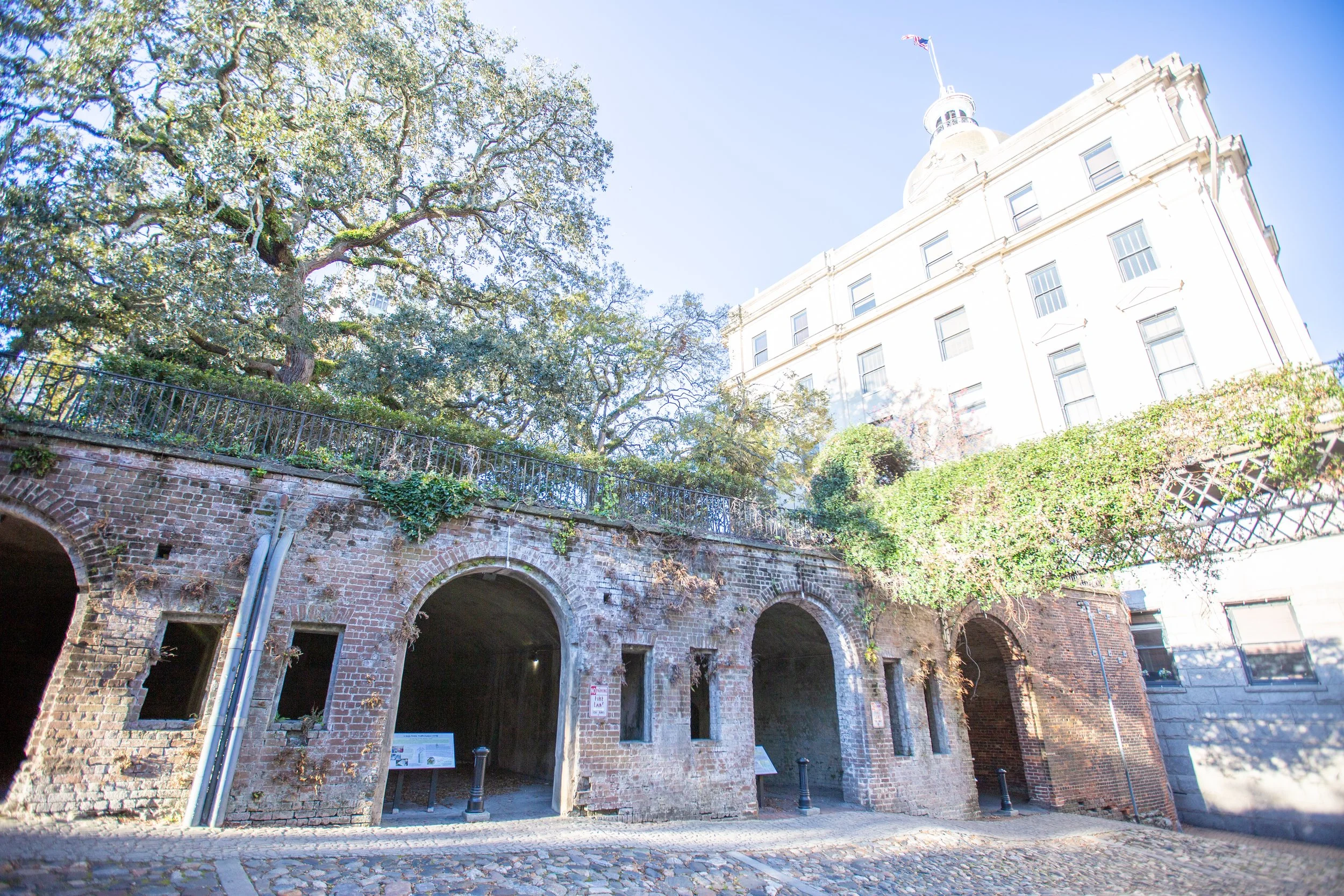
Cluskey Vaults by the City Hall
To my left, the Cluskey Vaults emerged from the embankment, four deep, arched chambers cut into the bluff beside City Hall, dark and cave-like and deliberately obscure. Local historians have long held that these brick tunnels served as temporary holding spaces for enslaved people newly arrived by ship, before they were marched to auction. The marker posted nearby hedges carefully: researchers have found no evidence of this theory, it reads, attributing the claim to urban legend while conceding a "complex and varied history."
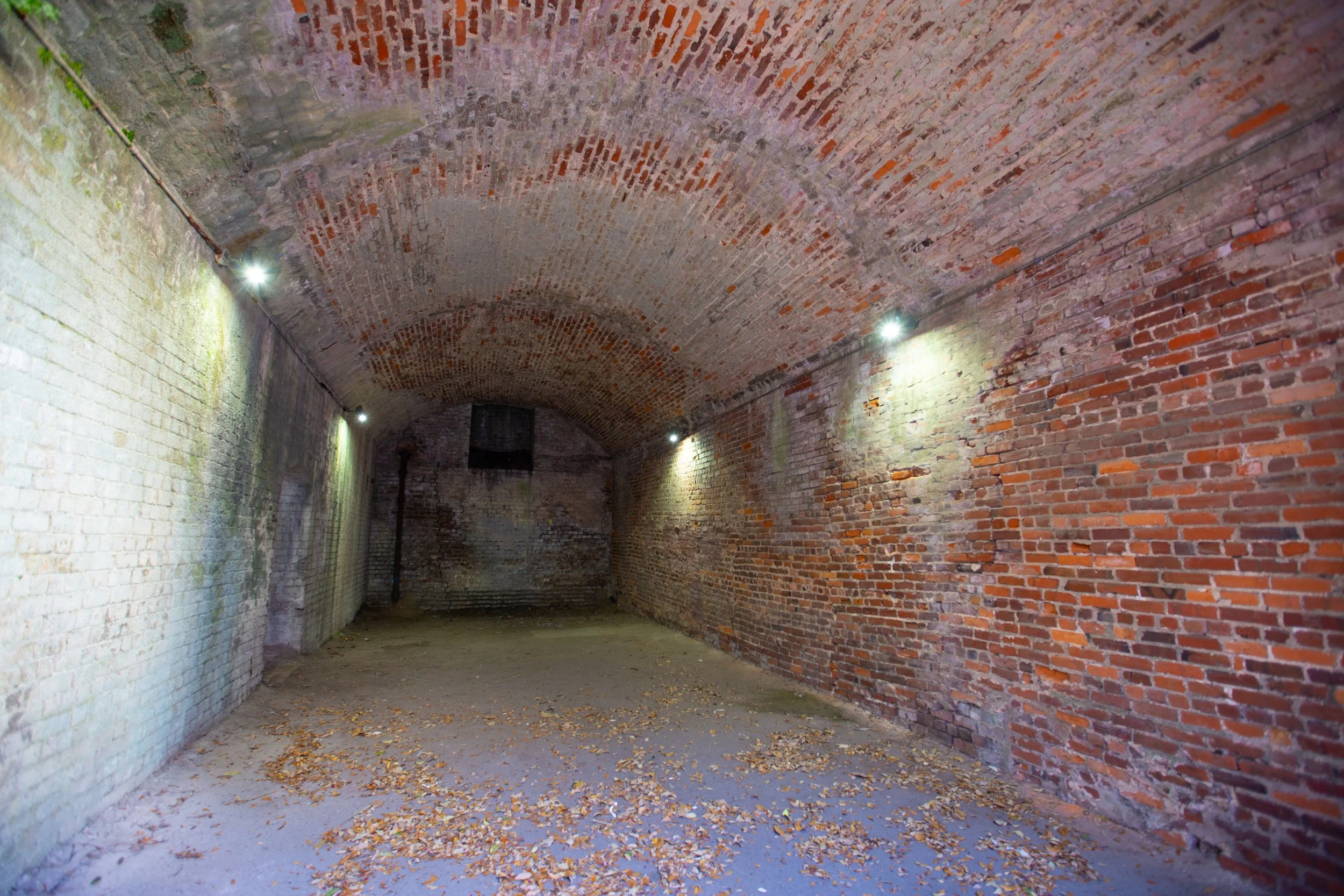
Inside Cluskey Vaults
The nearest oak spread its canopy over the entrance. It had been there long enough to know what happened in the dark below.
And before Oglethorpe imposed his Enlightenment grid upon the marshland, this same ground held the burial sites of the Yamacraw and Muscogee peoples, a fact the city's founding narrative has never quite found room for at the front of the story.
Savannah is built in strata. Ballast. Brick. Bone.
River Street is called one of America's most haunted streets yet haunted feels too decorative a word. The ground doesn't rattle with ghosts. It simply remembers. And the oaks, rooted through every layer of what this city is built upon, remember longest of all.
We were here, they said, their branches moving in a wind I could not feel at street level. We saw what passed beneath us. Every last thing.
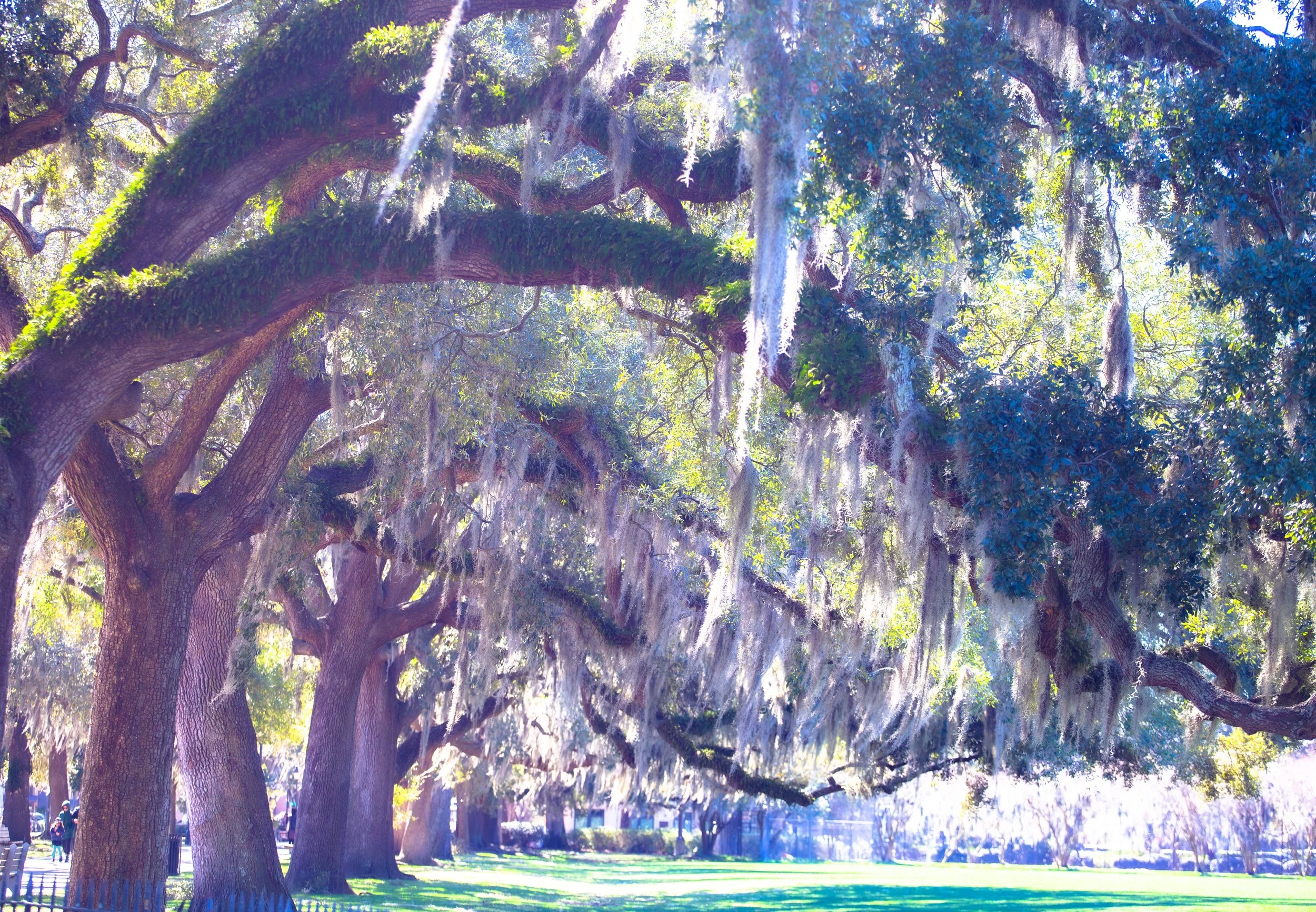
Southern Lives Oaks at Forsyth Park
