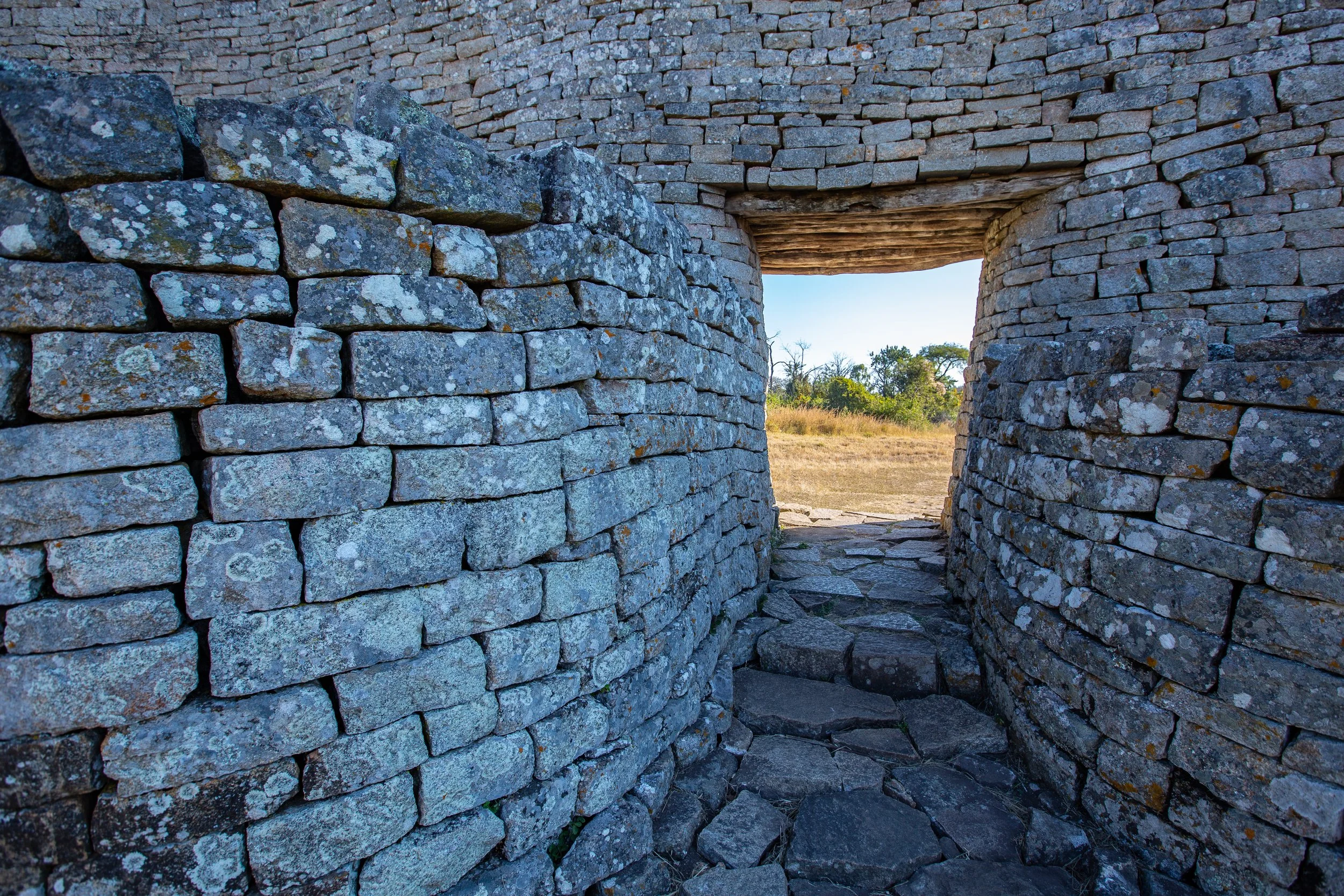
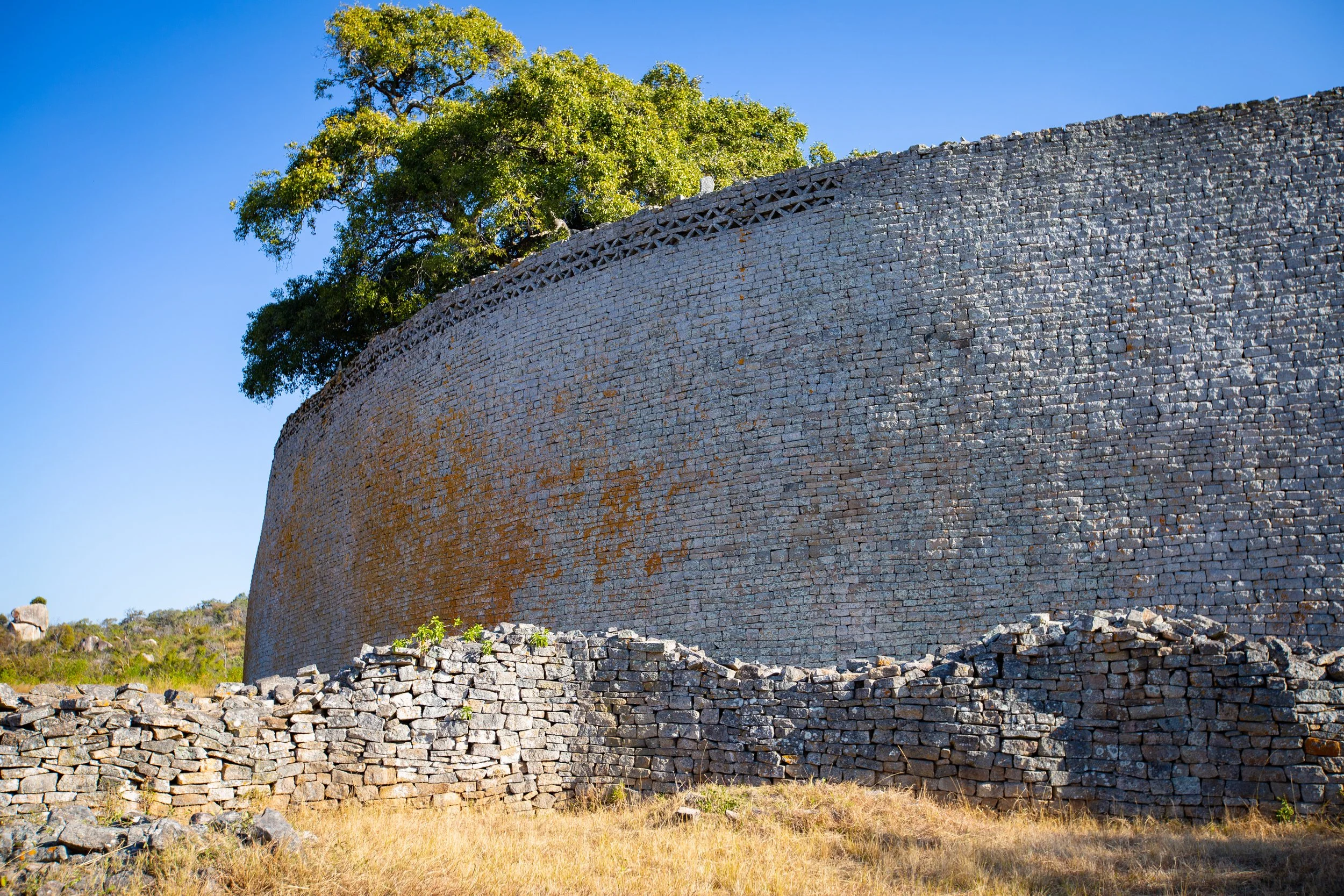
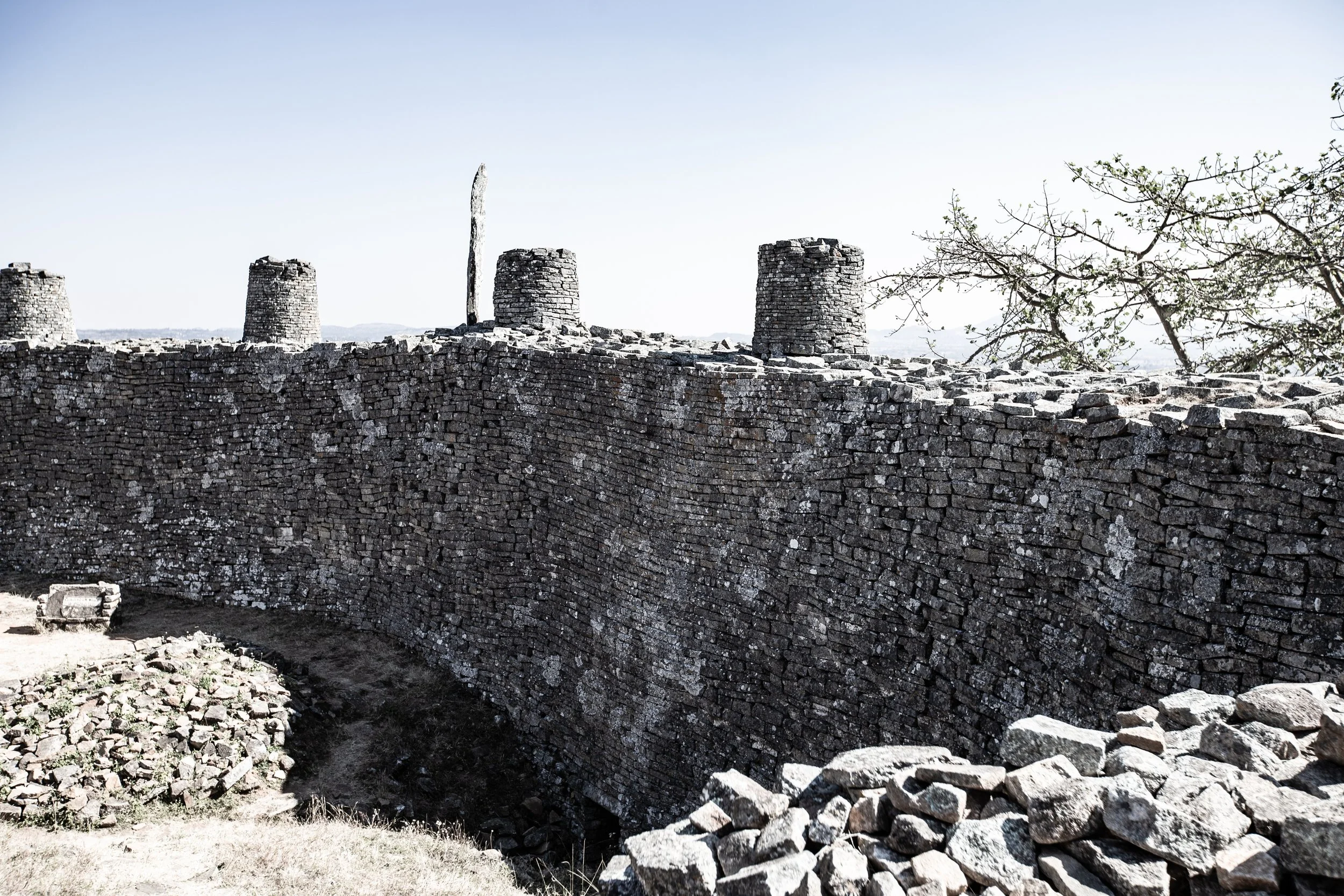
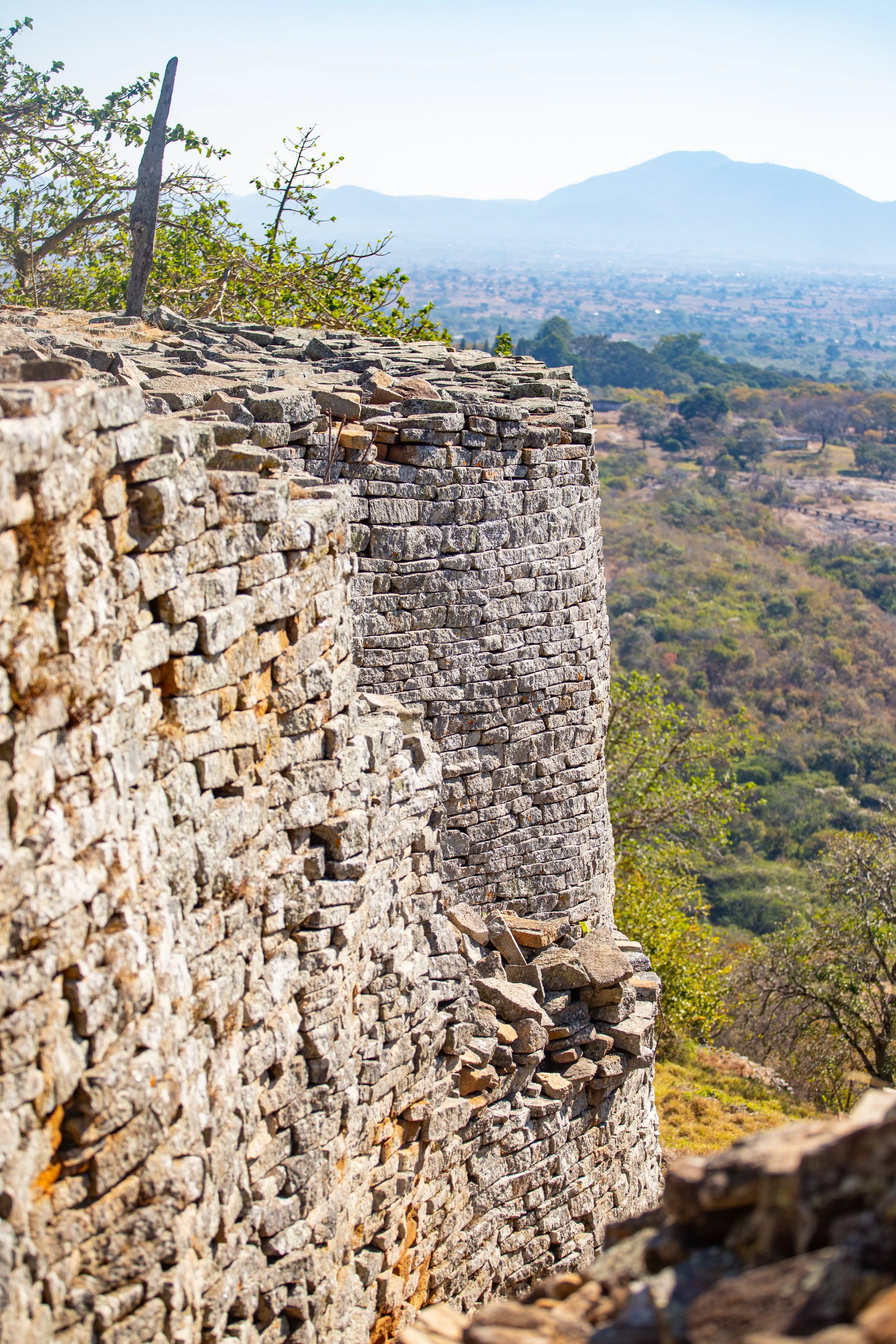
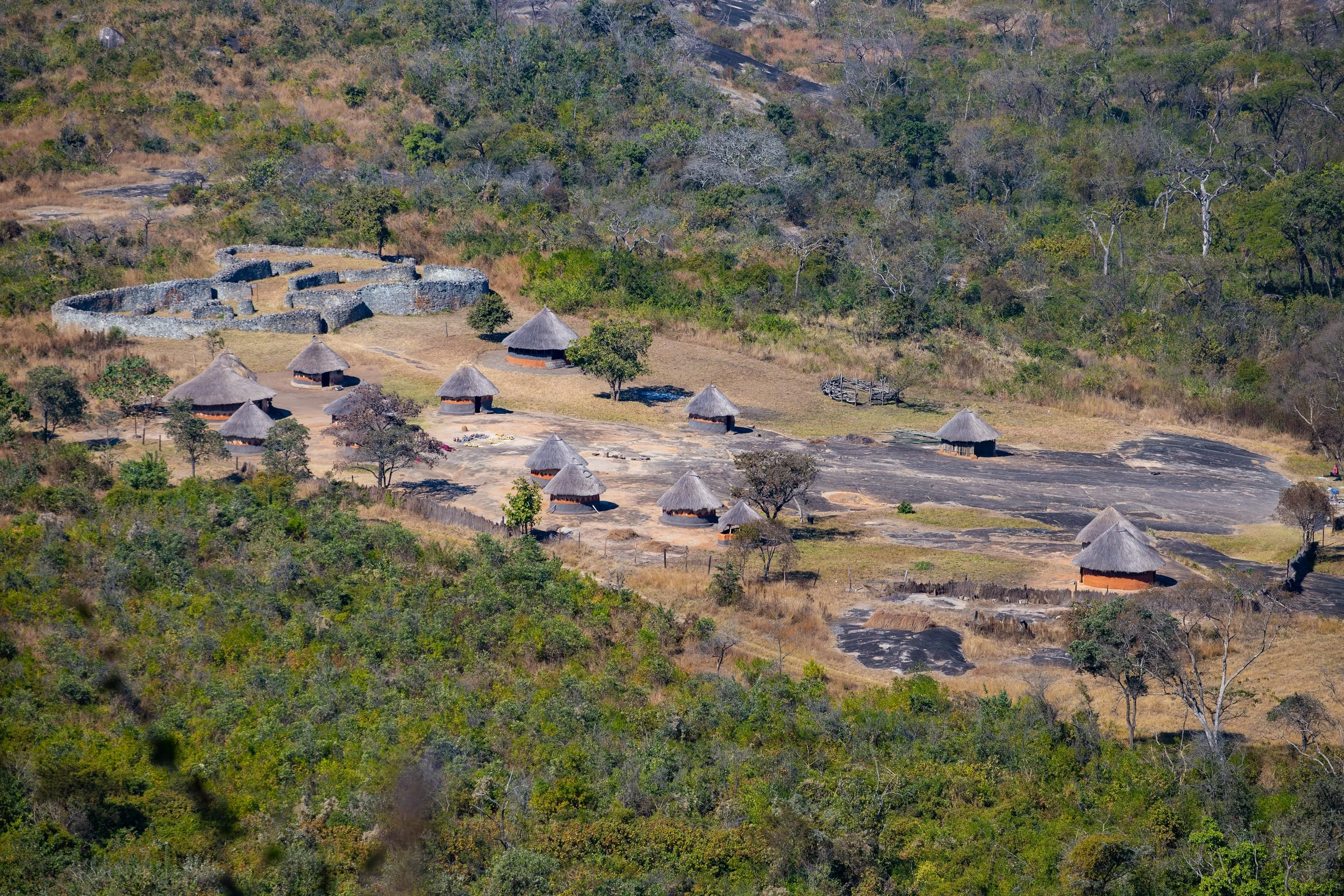
The name Zimbabwe derives from the Shona phrase Dzimba dza Mabwe, meaning “houses of stone,” a reference to Great Zimbabwe, an extraordinary complex of stone ruins built by the Shona people between the 11th and 15th centuries. This medieval city served as the capital of the Kingdom of Zimbabwe and later inspired the name of the modern nation. Designated a UNESCO World Heritage Site in 1986, Great Zimbabwe is the largest stone structure in pre-colonial sub-Saharan Africa and a lasting testament to indigenous African architecture, governance, and trade.
Great Zimbabwe
House of Stone
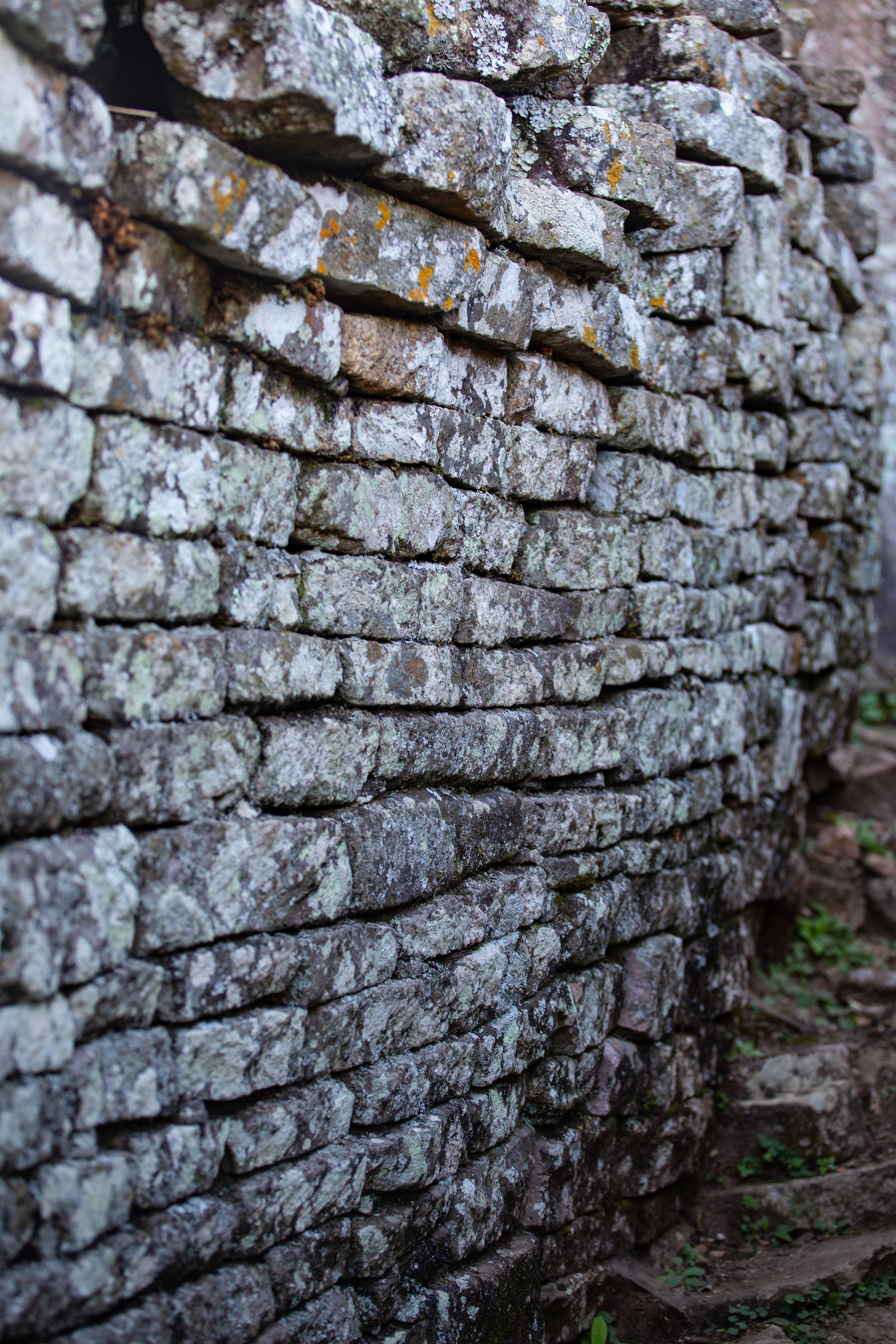
The site shows a high level of skill and planning. Its stone walls were built using carefully stacked granite blocks, fitted together without mortar, and they have remained stable for centuries. Archaeological finds at the site, including Chinese porcelain, Persian glass beads, and Arab coins, show that it was part of long-distance trade networks connected to the East African coast. The eight carved soapstone birds found there later became national symbols and are now featured on the flag of Zimbabwe.