
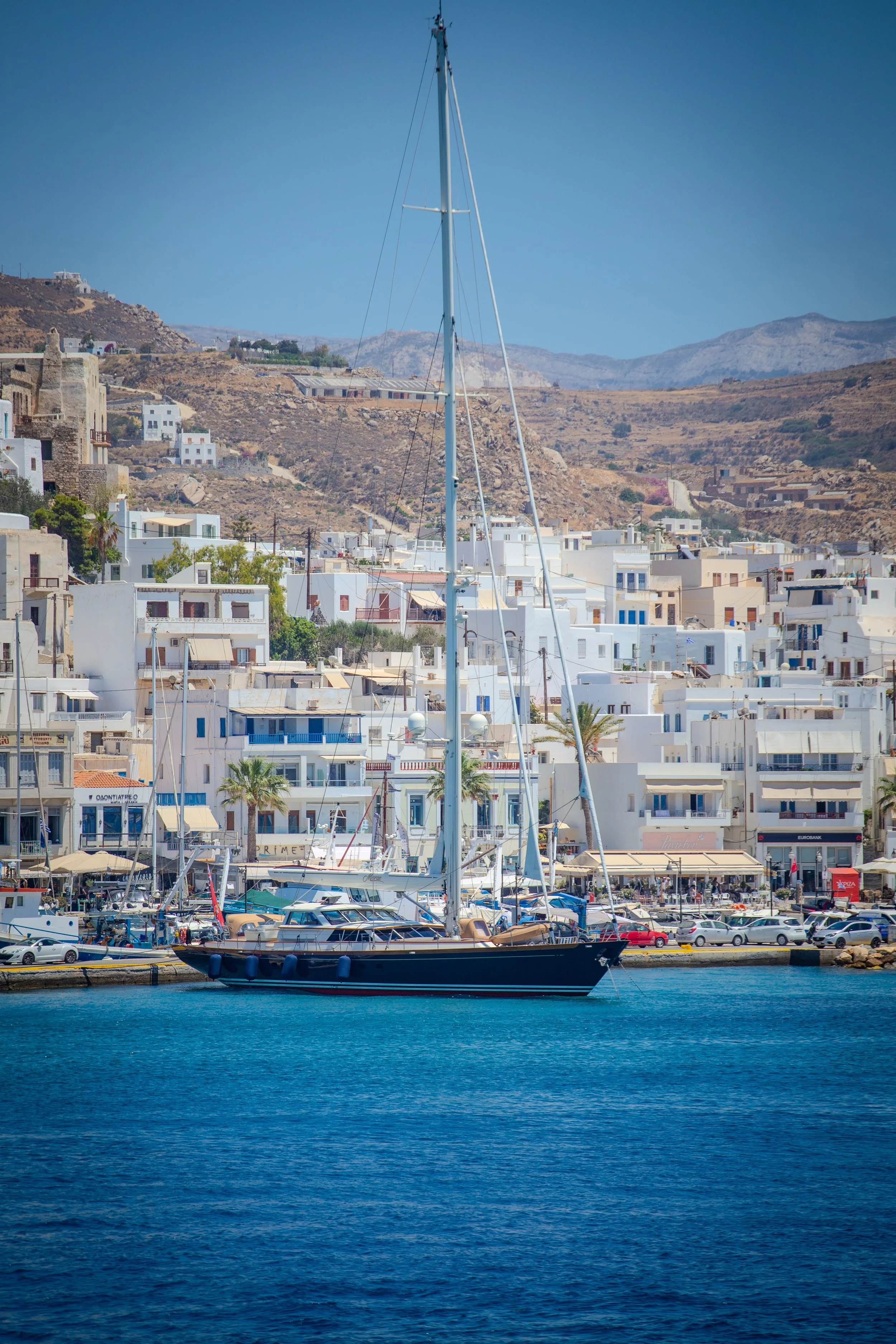
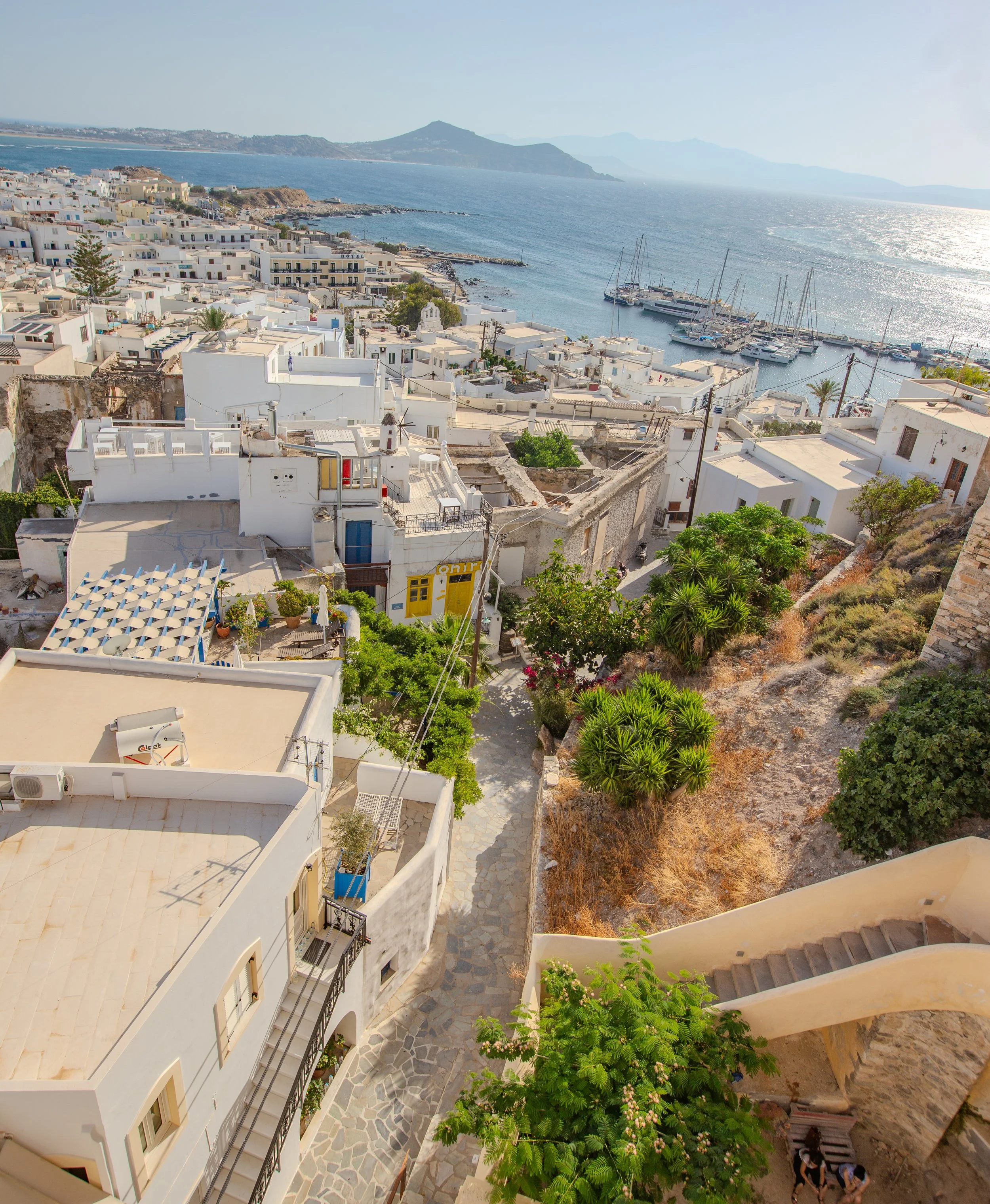
Naxos is the largest and most fertile island of the Cyclades group in the Aegean Sea. As of 2026, it is experiencing a significant surge in popularity as travelers increasingly seek "authentic" alternatives to more crowded hotspots like Santorini and Mykonos
Naxos
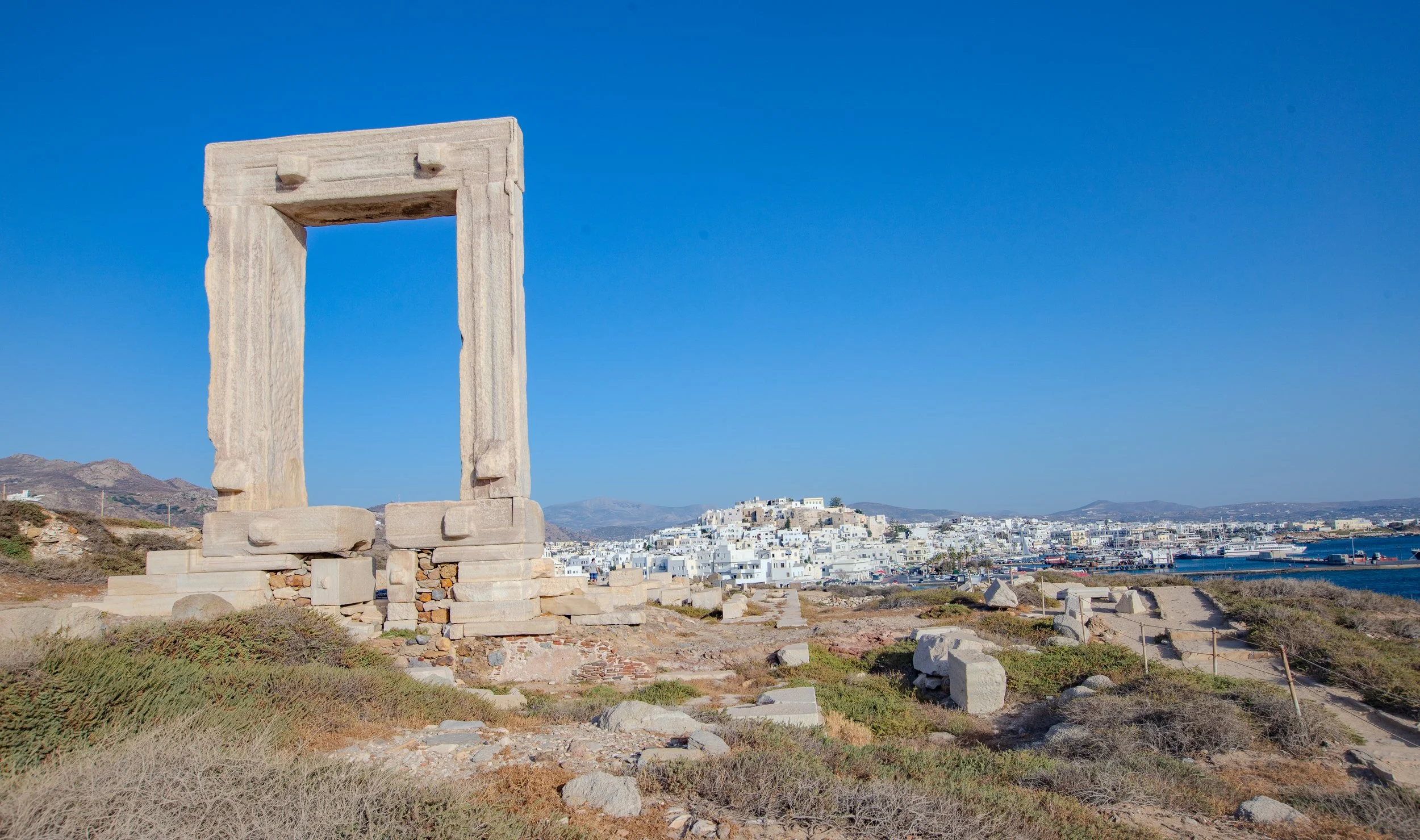
The Portara is a monumental marble gateway standing nearly six meters (about 20 feet) high on the islet of Palatia. Dating to around 530 BC, it is the only surviving part of an ambitious but unfinished temple dedicated to Apollo, the Greek god of light and music. The structure is made of four massive slabs of local Naxian marble, each weighing roughly 20 tons. These stones remain intact largely because their sheer size and weight made them impractical for later conquerors to dismantle and reuse.
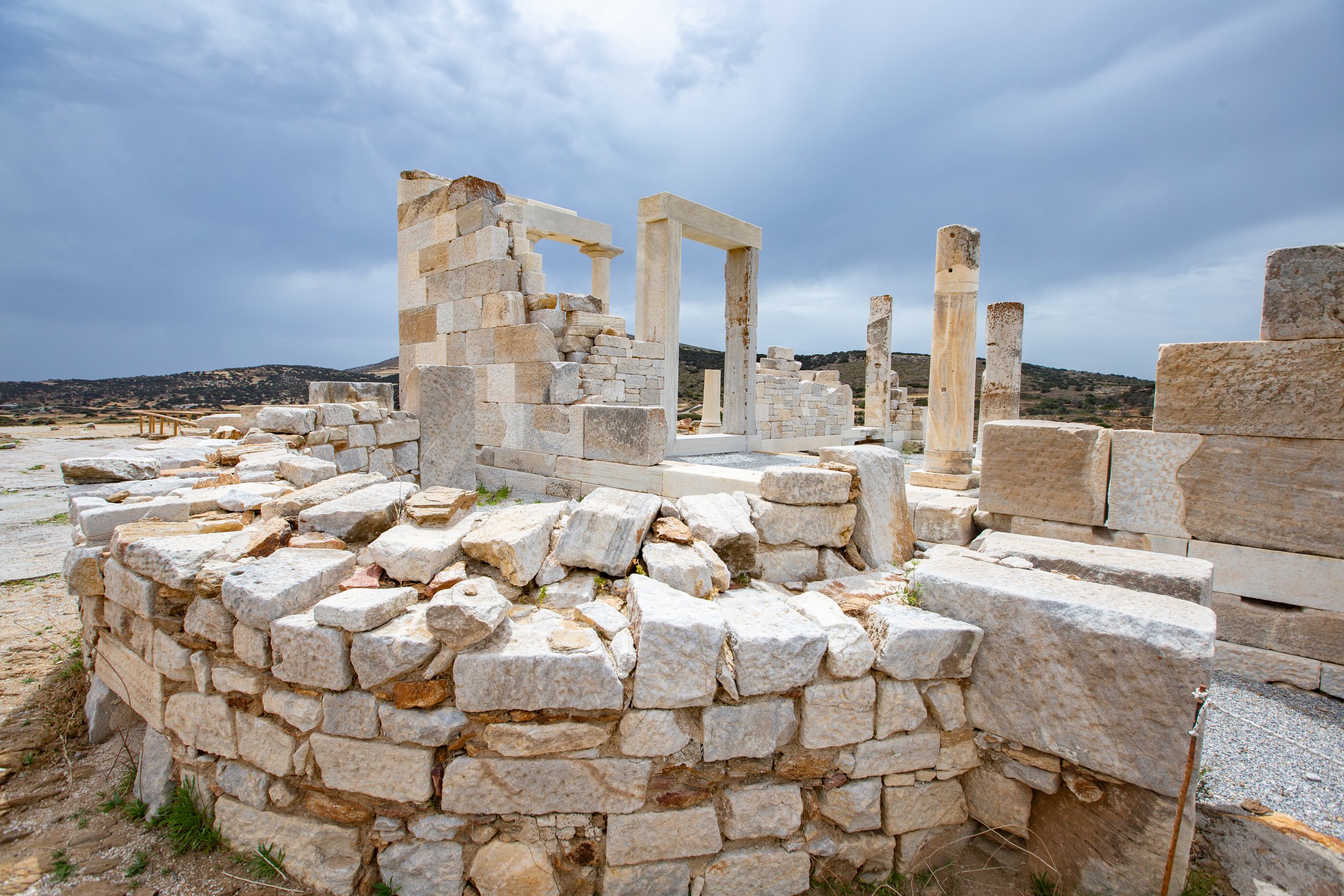
Temple of Demeter
The Temple of Demeter is an important 6th-century BC archaeological site on the Greek island of Naxos, known for its pristine white marble construction and architectural innovation that predates and influenced the Parthenon in Athens. Located near the village of Sangri in a fertile valley, it was dedicated to Demeter, the goddess of agriculture and harvest, and her daughter Persephone.
Apiranthos
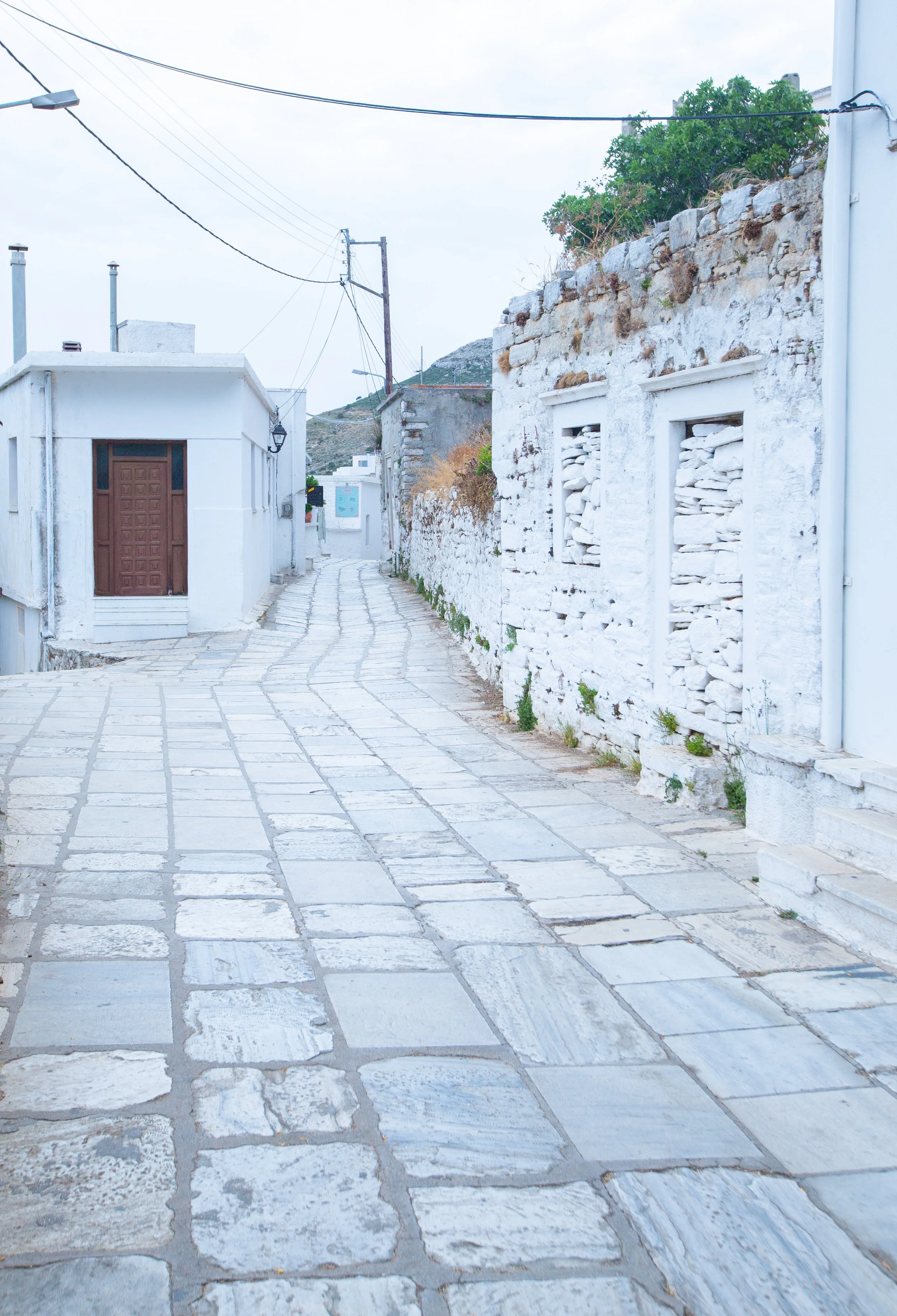
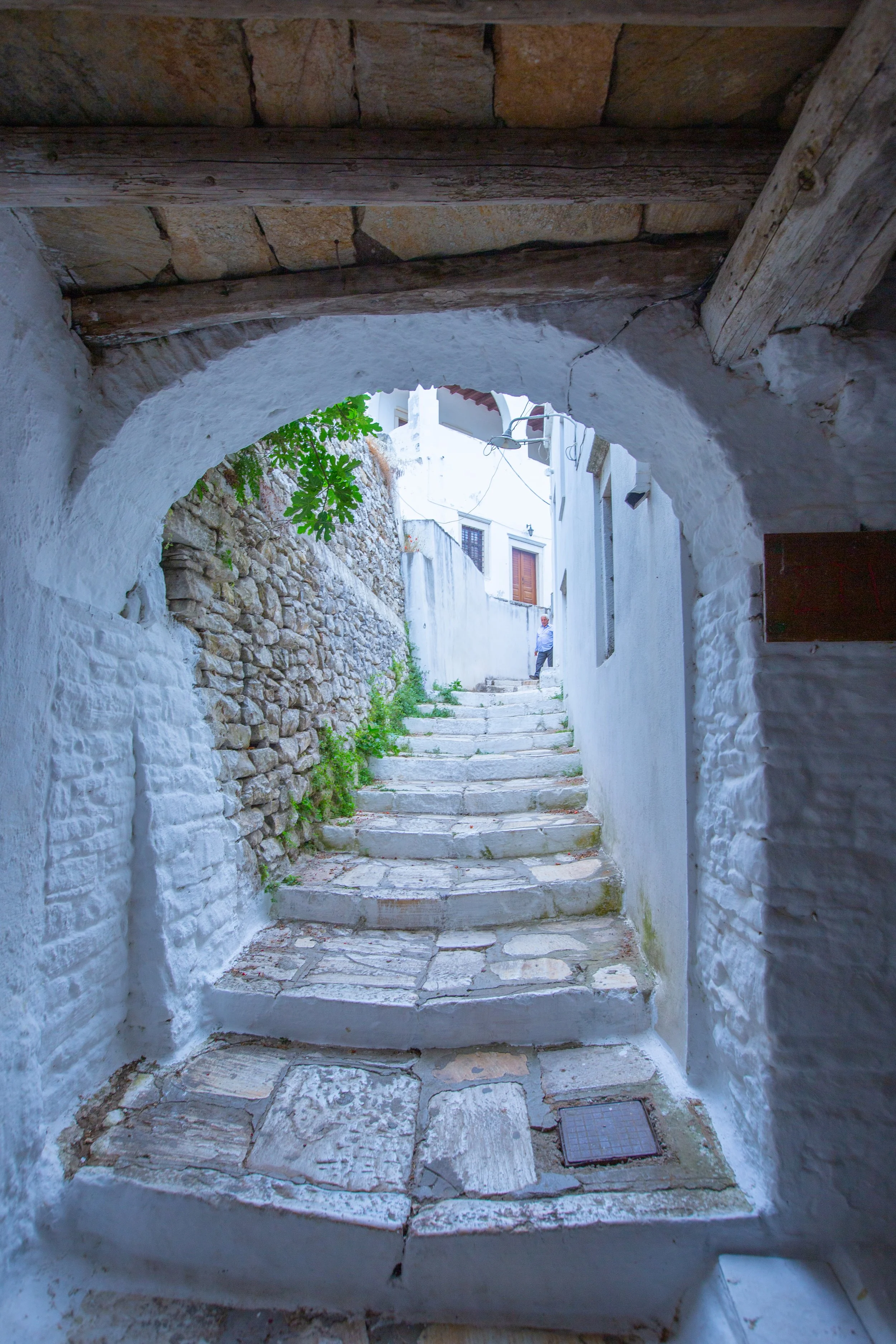
Apiranthos (also spelled Apeiranthos) is a distinctive mountain village on the island of Naxos, often referred to as the “Marble Village.” Set on the slopes of Mount Fanari at an elevation of roughly 600 to 650 meters, it retains a strong Venetian and medieval character and is known for its narrow, winding marble-paved paths and arched passageways.
Halki
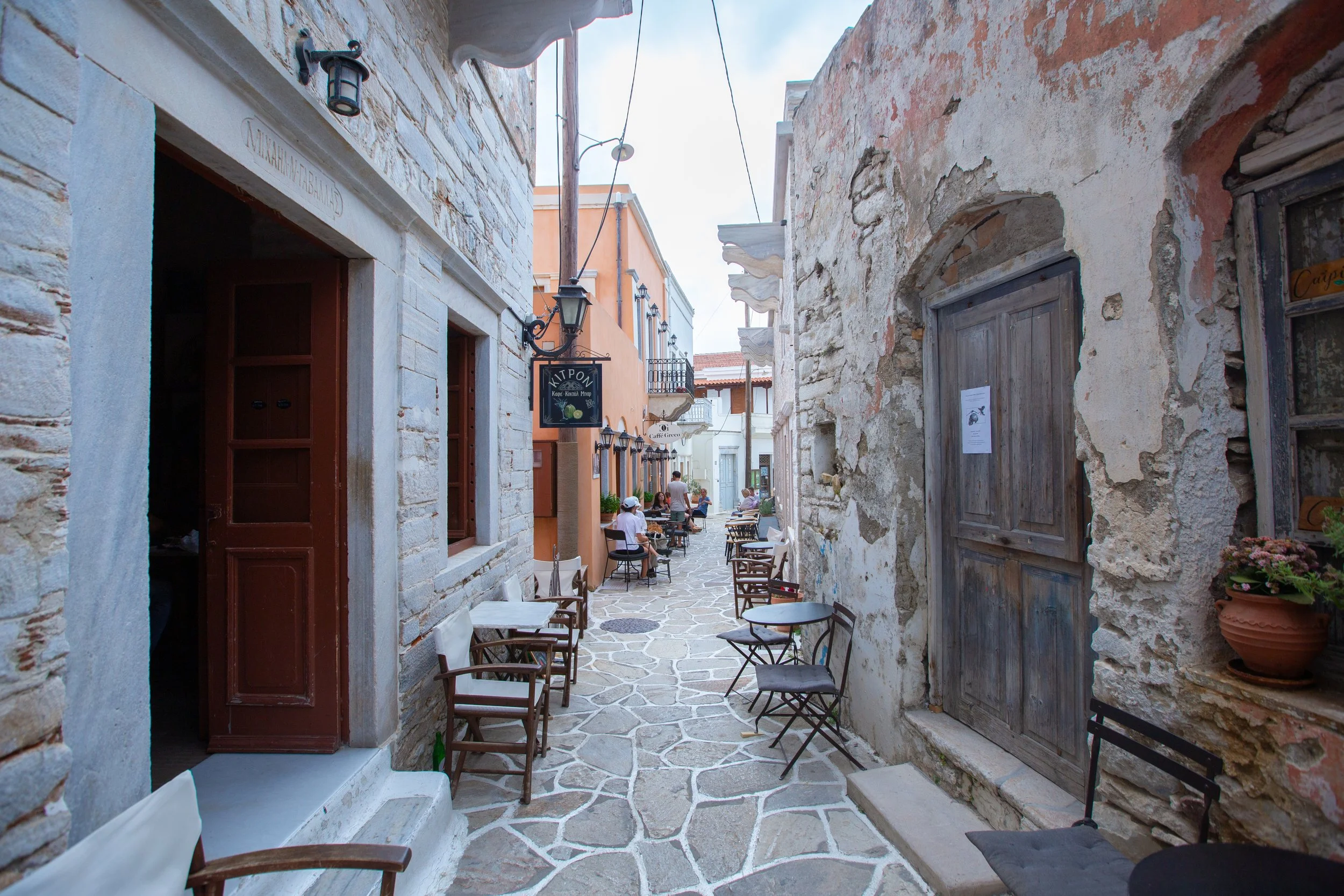
Halki (also known as Chalki or Chalkio) is a picturesque village in central Naxos, located in the fertile Tragea Valley. The village is known for its neoclassical mansions, surrounding olive groves, and strong Byzantine heritage. It is also home to the Vallindras Kitron Distillery, a family-run distillery operating since 1896 that produces Kitron, a protected PDO liqueur made from the leaves of the citron tree.