
The Healing Geography of Iceland
Each year, I run two marathons, one in the spring, the Boston Marathon, and one in early December at the California International Marathon. From December 10 to December 30, I step away from structured training.
Those three weeks are not merely a pause. They are the most deliberate phase of my recovery. And there is no better place for that restoration than Iceland. December is a quiet gift in Iceland. It is a season designed for recovery, when the body slows and the landscape encourages stillness. During this time, I want to take you on a journey across Iceland, guided by its hot springs, not only to experience them, but to understand them.
This journey moves beyond the obvious. We will visit well-known springs alongside hidden pools tucked into valleys, hike-in springs reached only on foot, family-built baths passed down through generations, and remote sites where the landscape remains raw and deeply personal. From social and crowded to quiet and exclusive. From refined to elemental. This is not simply about soaking. It is about movement, recovery, and reconnection with the land. It is Iceland experienced through its hot springs, at the most restorative time of the year.
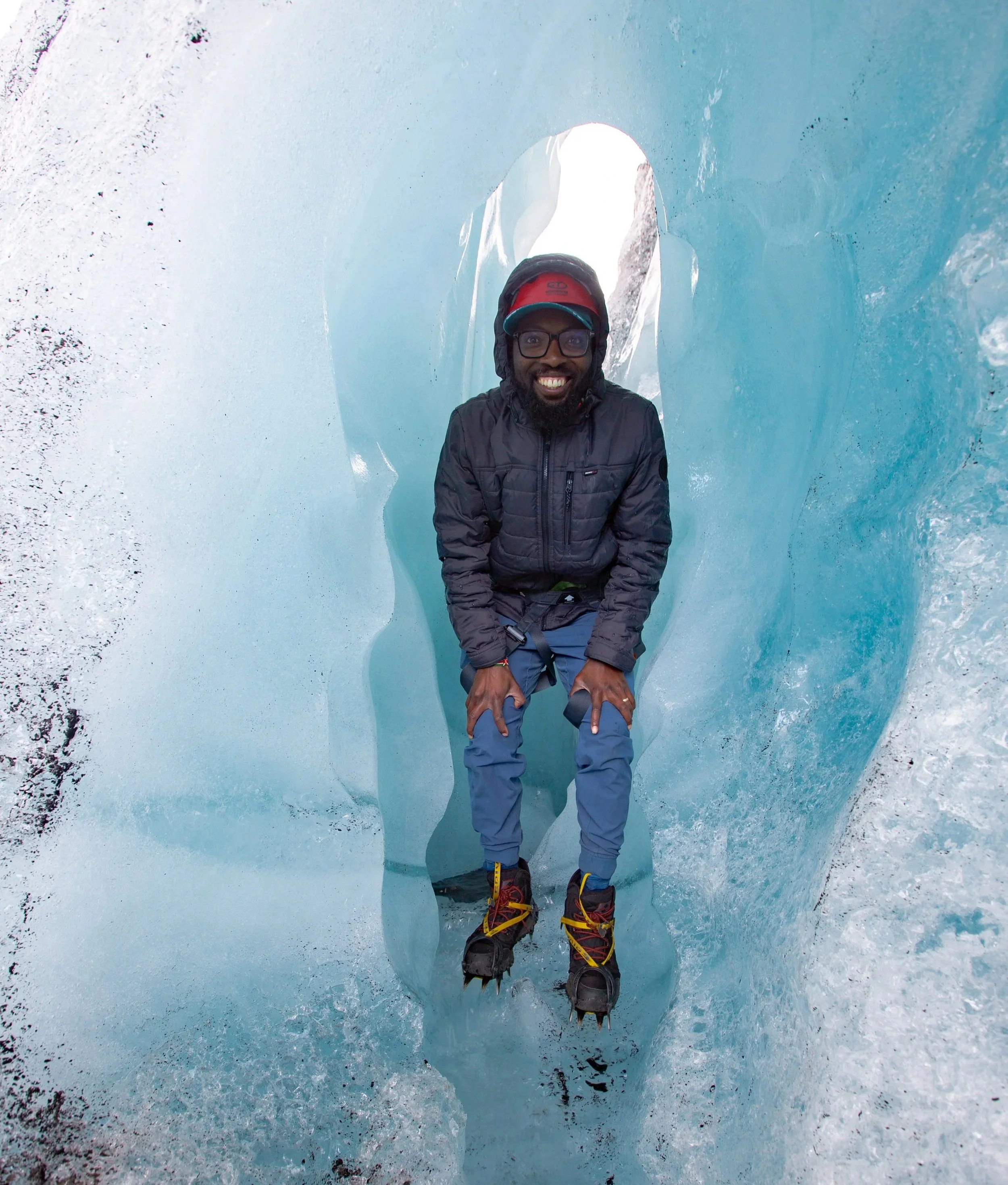
“Along the way, I will explore the science of geothermal bathing, how the Vikings recognized its healing power long before modern physiology, and what contemporary research reveals about heat, circulation, muscle repair, and mental restoration”
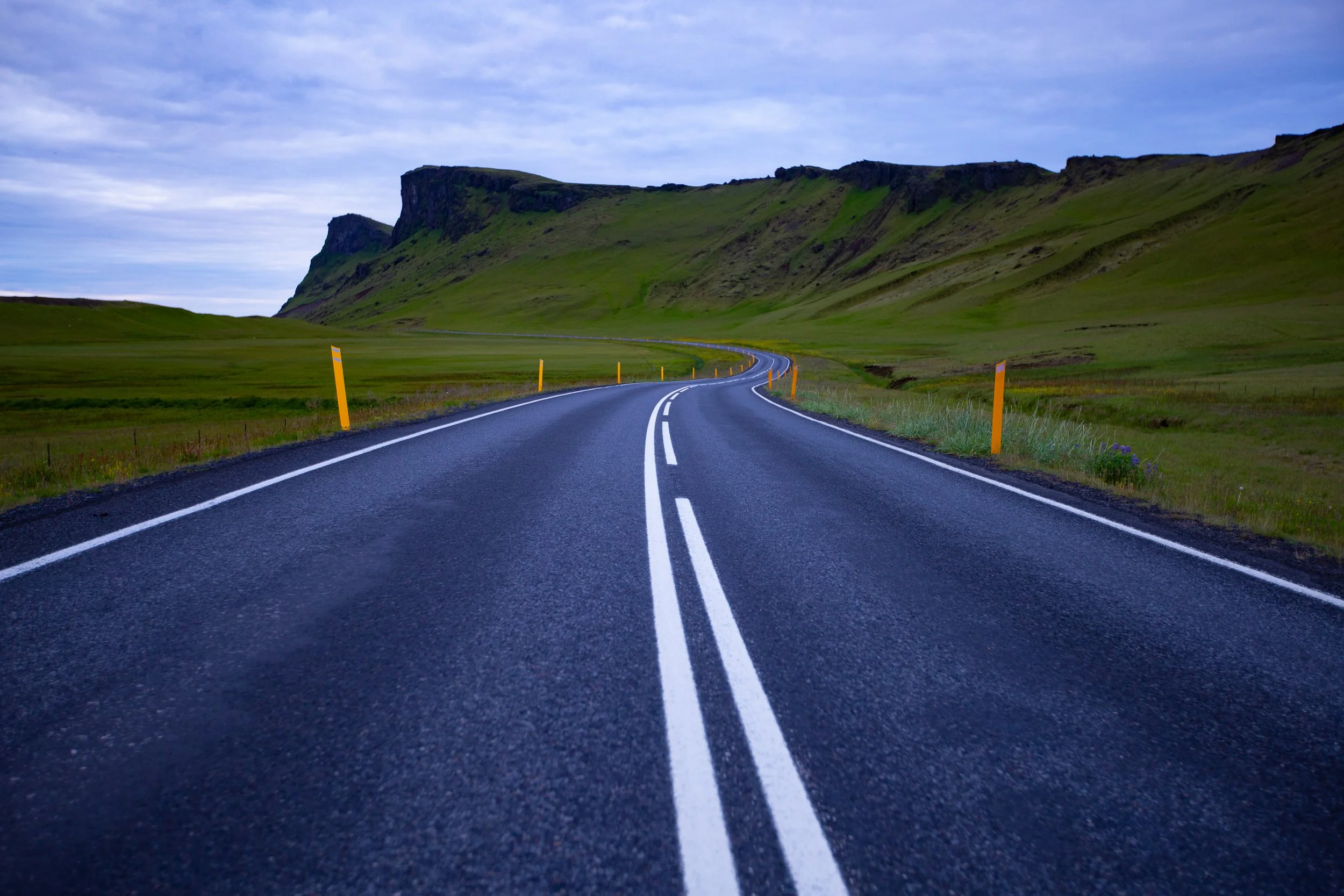
For runners, recovery is often treated as an afterthought, something squeezed between training cycles. In Iceland, recovery becomes the experience itself. The landscape does the work. Heat rises from the ground, water moves through volcanic rock, and the body responds almost instinctively. This project is built around that idea. Winter sharpens this experience. Cold air against warm water heightens awareness. Breath slows. Muscles release. The contrast makes recovery tangible.
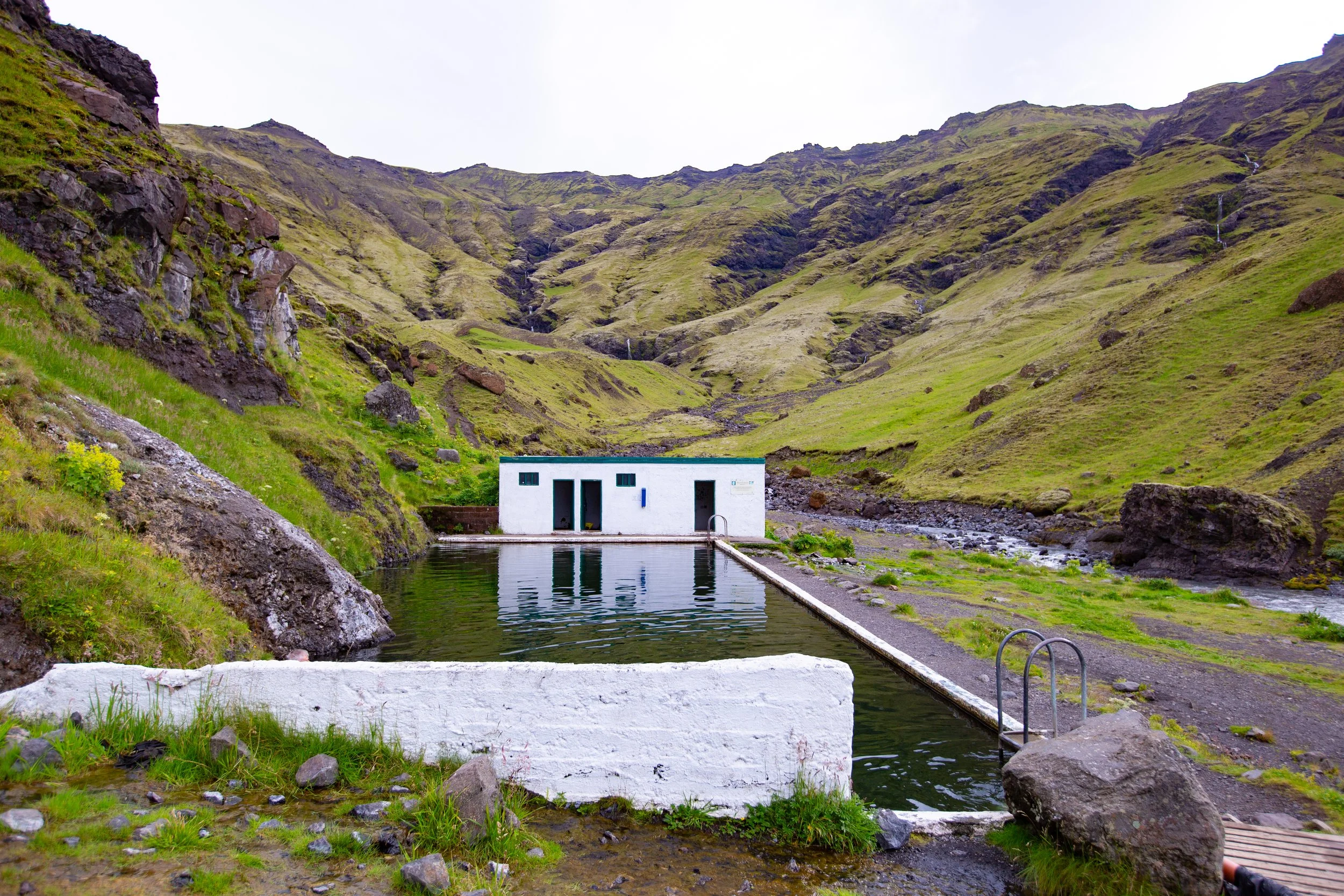
Hidden deep in the Icelandic countryside, Seljavallalaug Swimming Pool is reached by a short, peaceful hike of just under a kilometer each way through a narrow, secluded valley. Built in 1923 by local resident Bjorn Andrésson Berjaneskoti, it was created so village children could learn to swim. Today, it remains one of Iceland’s oldest swimming pools, fed by a natural hot spring and largely unchanged. The water is gently warm, the concrete walls softened by moss and weather, and the pool feels more borrowed from the landscape than imposed upon it. As more travelers seek it out for an earned, unpolished experience, Seljavallalaug delivers.