
Hill Repeats | Boston Common
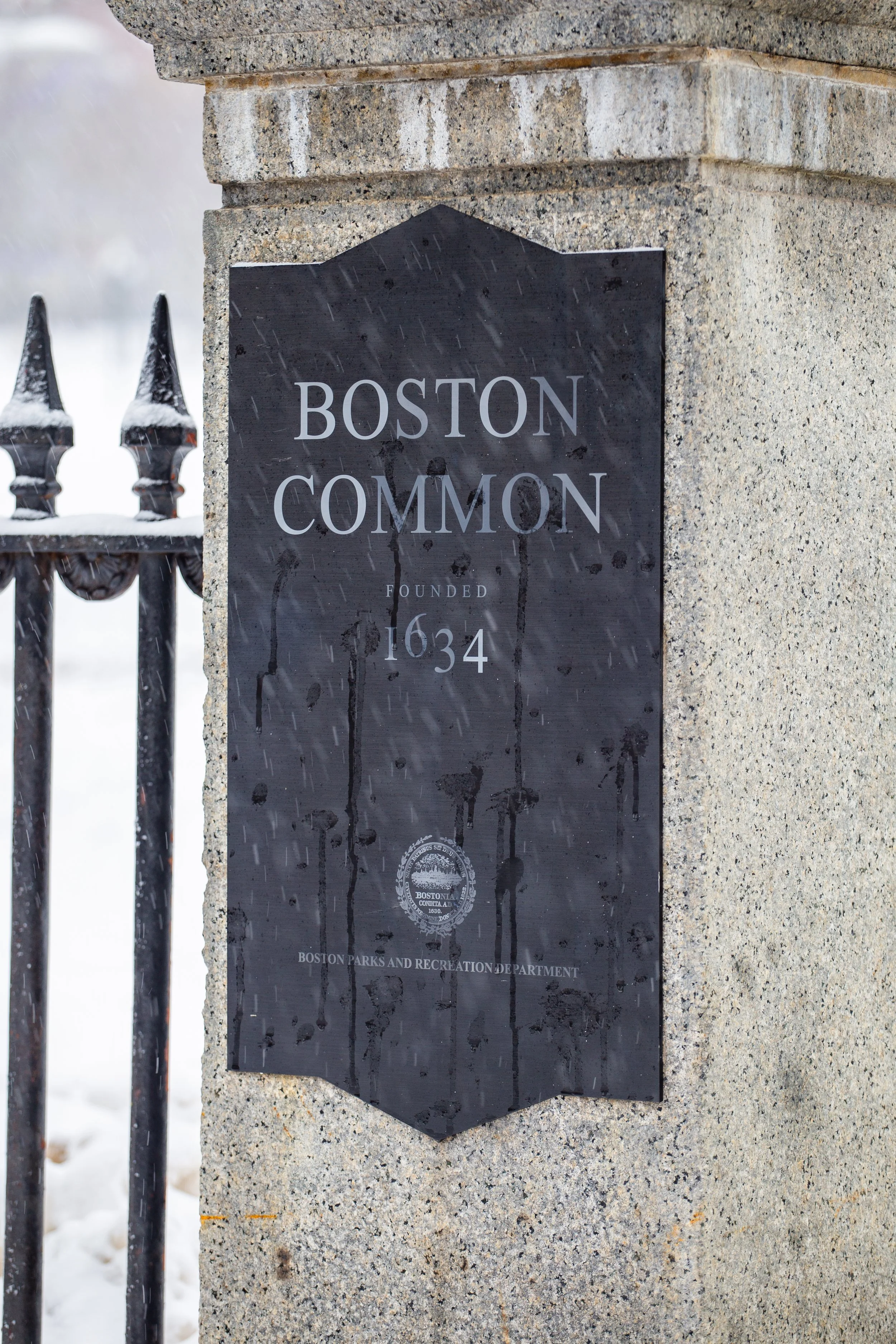
My favorite place for hill repeats in Boston is Boston Common – America’s oldest public park, but I never start there. That would be too easy. Instead, I begin with a 3‑mile warm-up along a route that quietly honors the people who came before me, the ones whose courage made my freedom of movement possible.
Boston was a major hub of the Underground Railroad. Its harbor, busy and watchful, offered both refuge and risk. Running this route reminds me that moving forward without fear is a privilege. I run because I choose to. Many before me ran because their lives depended on it.
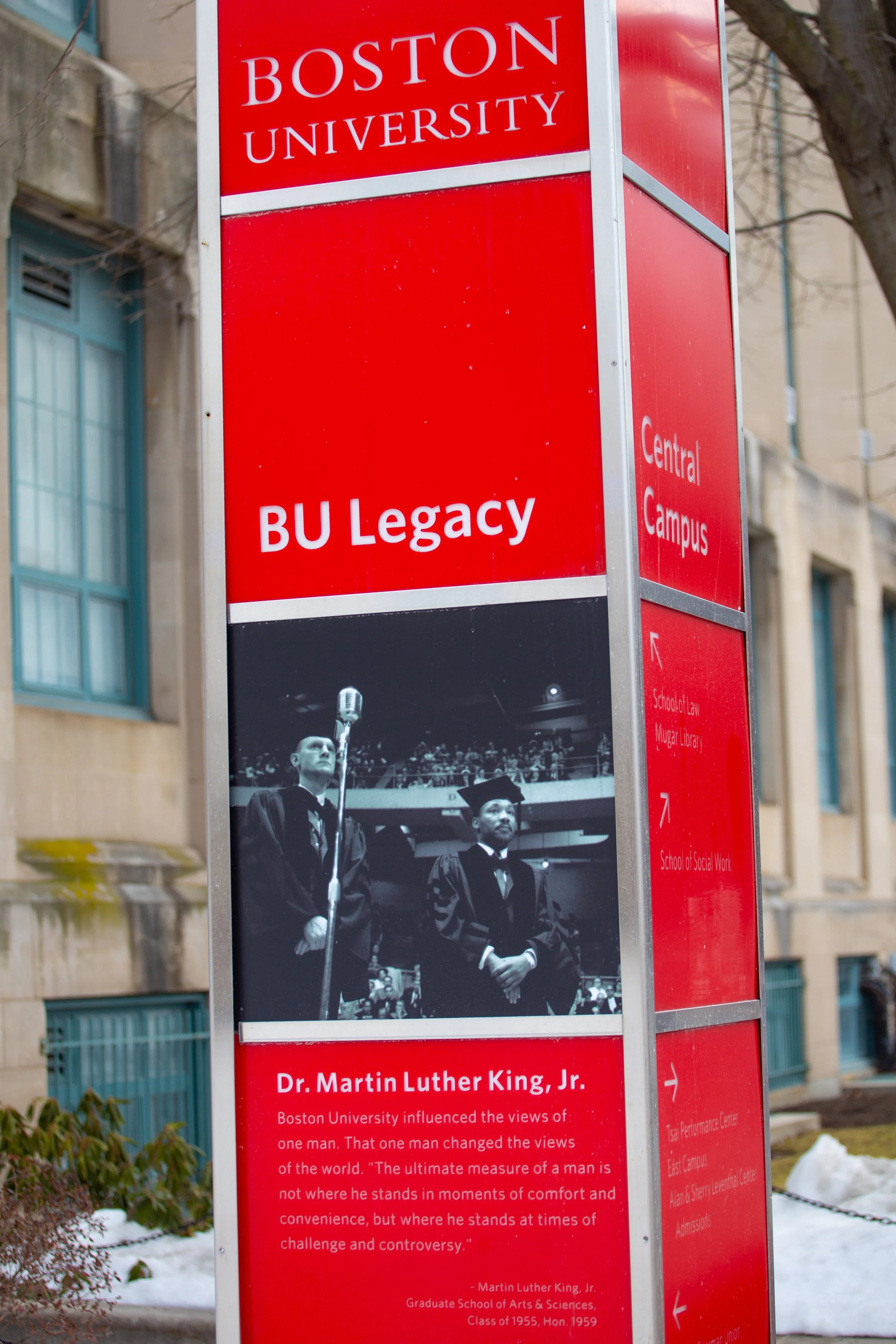
Boston University
The warm-up begins at Boston University, where Martin Luther King Jr. was a student starting in 1951, long before he emerged as a national figure. That chapter of his life is now marked by the Free at Last sculpture in Marsh Plaza at the heart of campus. Fifty bronze doves, one for each state, lift together, frozen mid ascent. On cold mornings, the metal seems to sharpen the air around it.
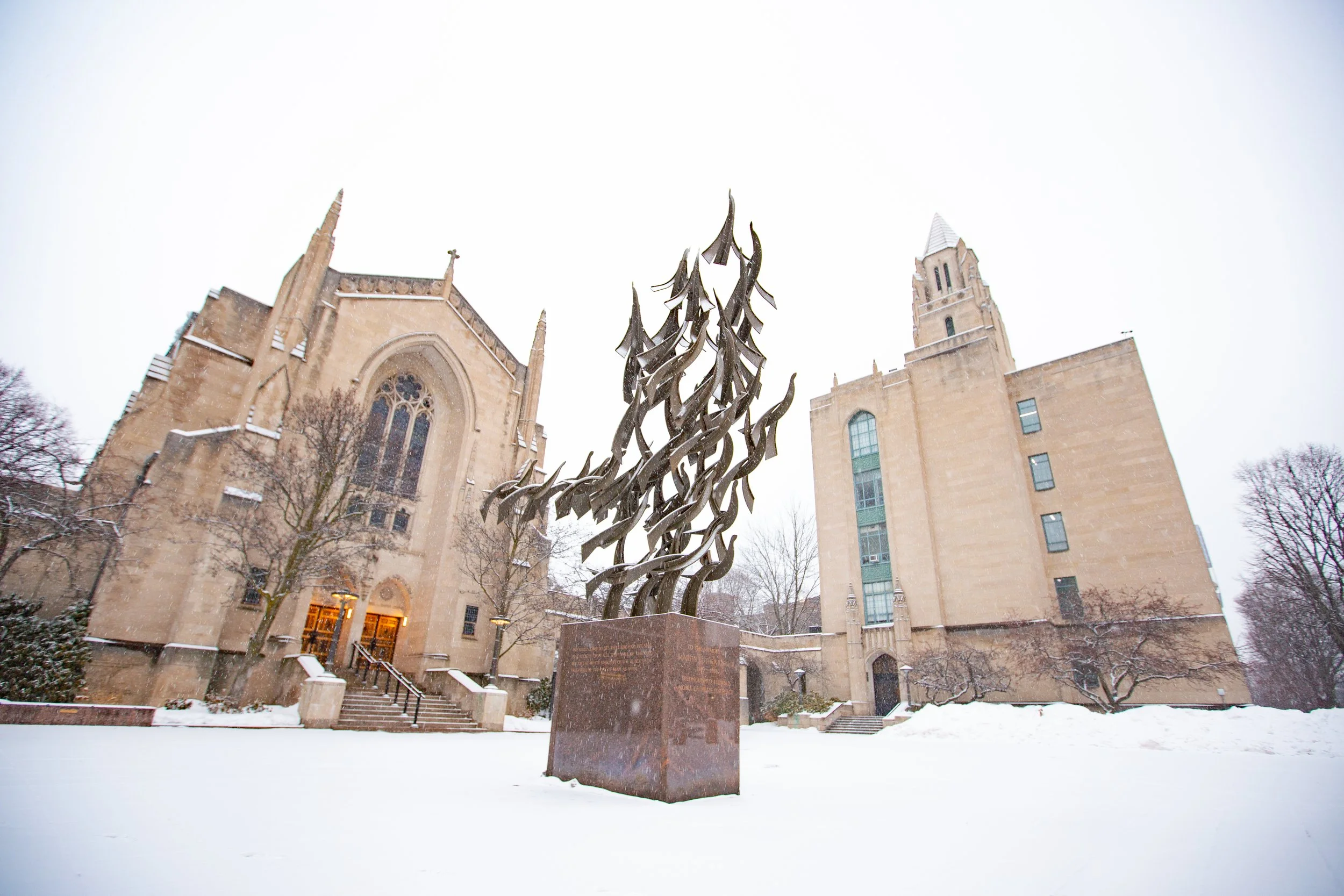
Free at Last
Fifty bronze doves rise together in Free at Last, a sculpture that draws its name and spirit from Martin Luther King Jr.’s “I Have a Dream” speech. Designed by Chilean artist Sergio Castillo, the work was installed in Marsh Plaza in 1975.
From there, I cross Storrow Drive on one of BU’s pedestrian bridges and join the Dr. Paul Dudley White Bike Path, named for the cardiologist who was advocating regular physical activity as early as the 1920s, decades before exercise was mainstream medical advice. His influence reached the public after President Eisenhower’s heart attack in 1955, when White prescribed walking as recovery and helped make exercise respectable medicine.
The path hugs the Charles River and fills quickly even in the cold. This is Boston’s most beloved running corridor. Groups surge through speed workouts, cyclists commute with fierce intention, and scooters appear without warning. A warmup can easily turn into an unplanned race here.
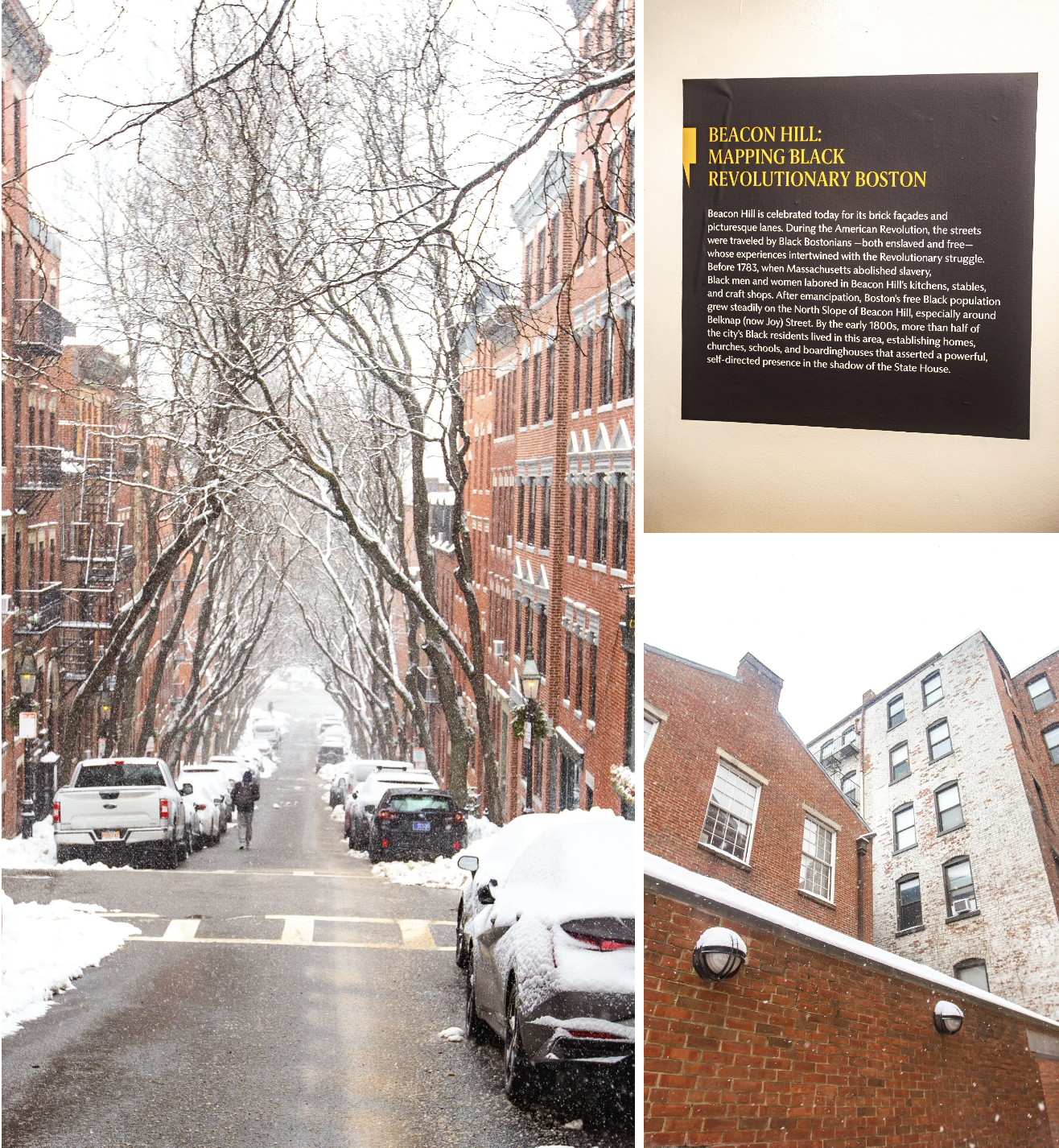
Beacon Hill’s North Slope
After two miles, I cross the Frances Appleton Bridge toward Beacon Hill’s North Slope, once home to Boston’s free Black community in the late 1700s and early 1800s. After slavery was effectively abolished in Massachusetts in 1783, formerly enslaved people and free Black families-built institutions, neighborhoods, and futures here. On Phillips Street, the former home of Lewis and Harriet Hayden looks ordinary. Its ordinariness is the point. It operated as a station on the Underground Railroad, a sanctuary hiding in plain sight.
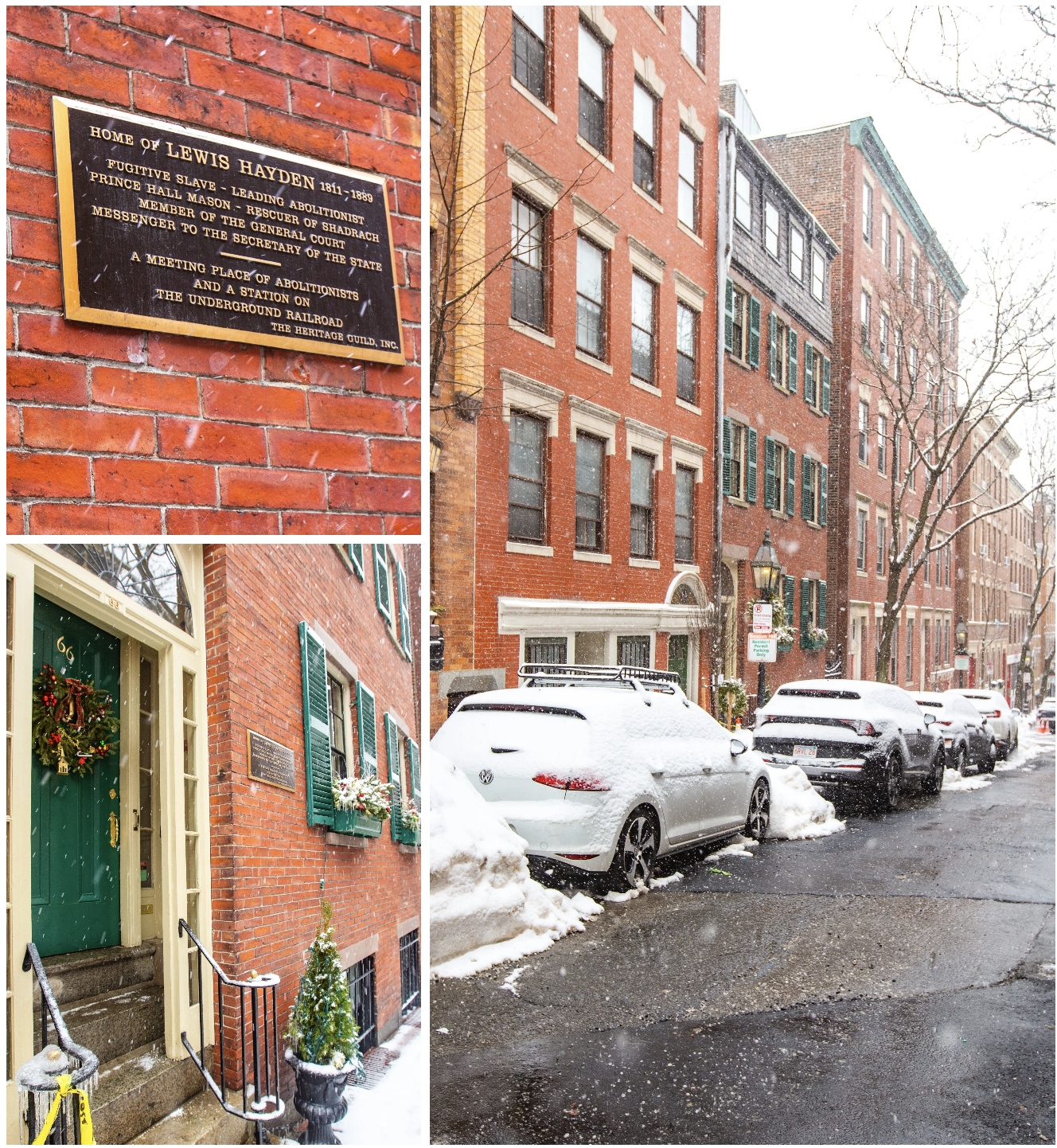
Lewis and Harriet Hayden House
A few blocks up stands the African Meeting House, built in 1806 and now the oldest surviving Black church building in the United States. It served as a church, school, meeting place, and political center. Across the street, the Abiel Smith School, constructed in 1835 as the first public school for African American children, anchors this history and now houses the Museum of African American History. Together, these buildings insist on community, education, and presence.
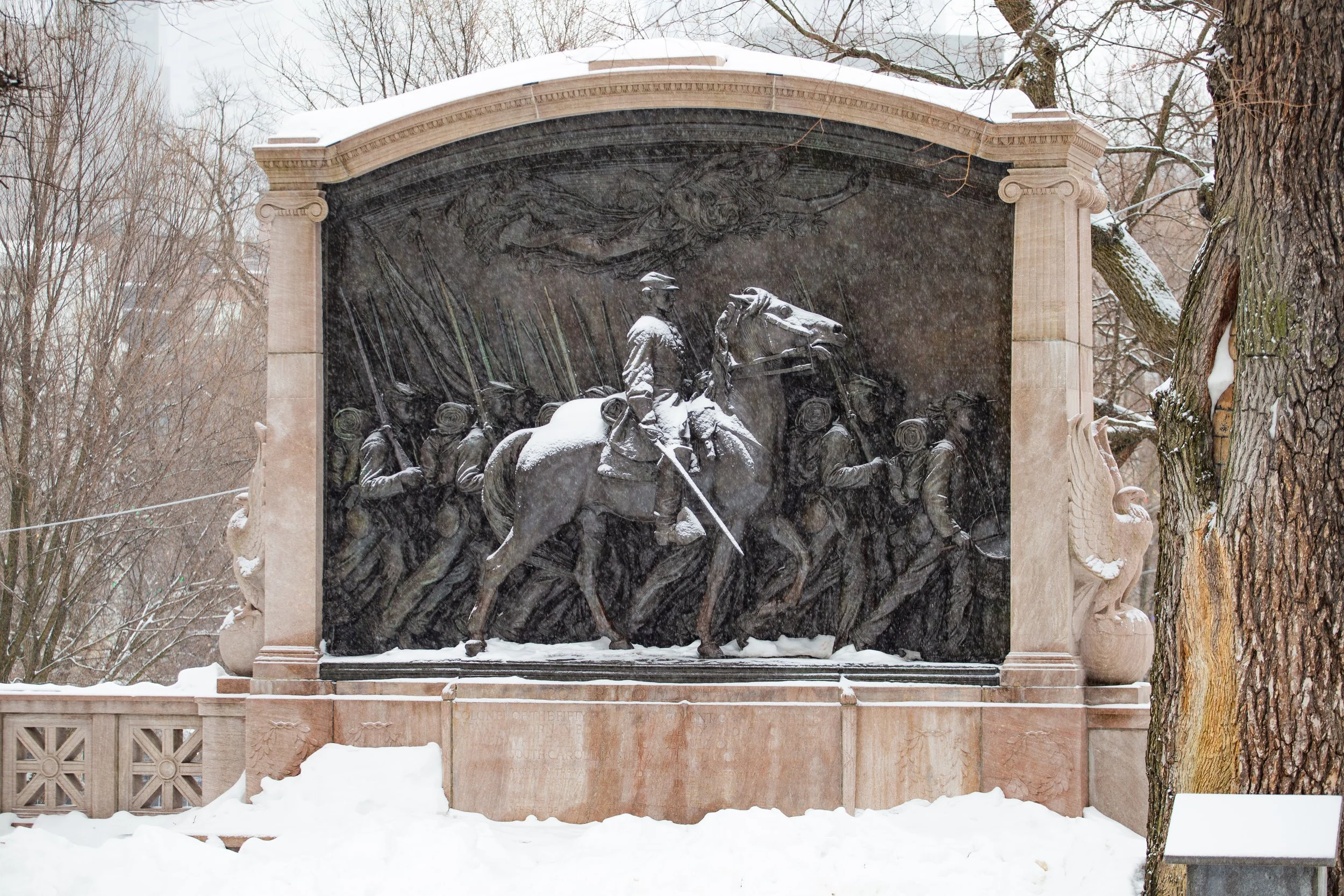
The 54th Regiment Memorial
At roughly 3 miles, the hill crests and opens into Boston Common. The 54th Regiment Memorial comes into view, honoring one of the first Black regiments formed in the North during the Civil War. What makes the 54th remarkable is not only that they fought, but that they fought while being paid less, supplied worse, and doubted constantly. They marched anyway. And now I must remember these men’s sacrifice as I start the hard hill repeats.
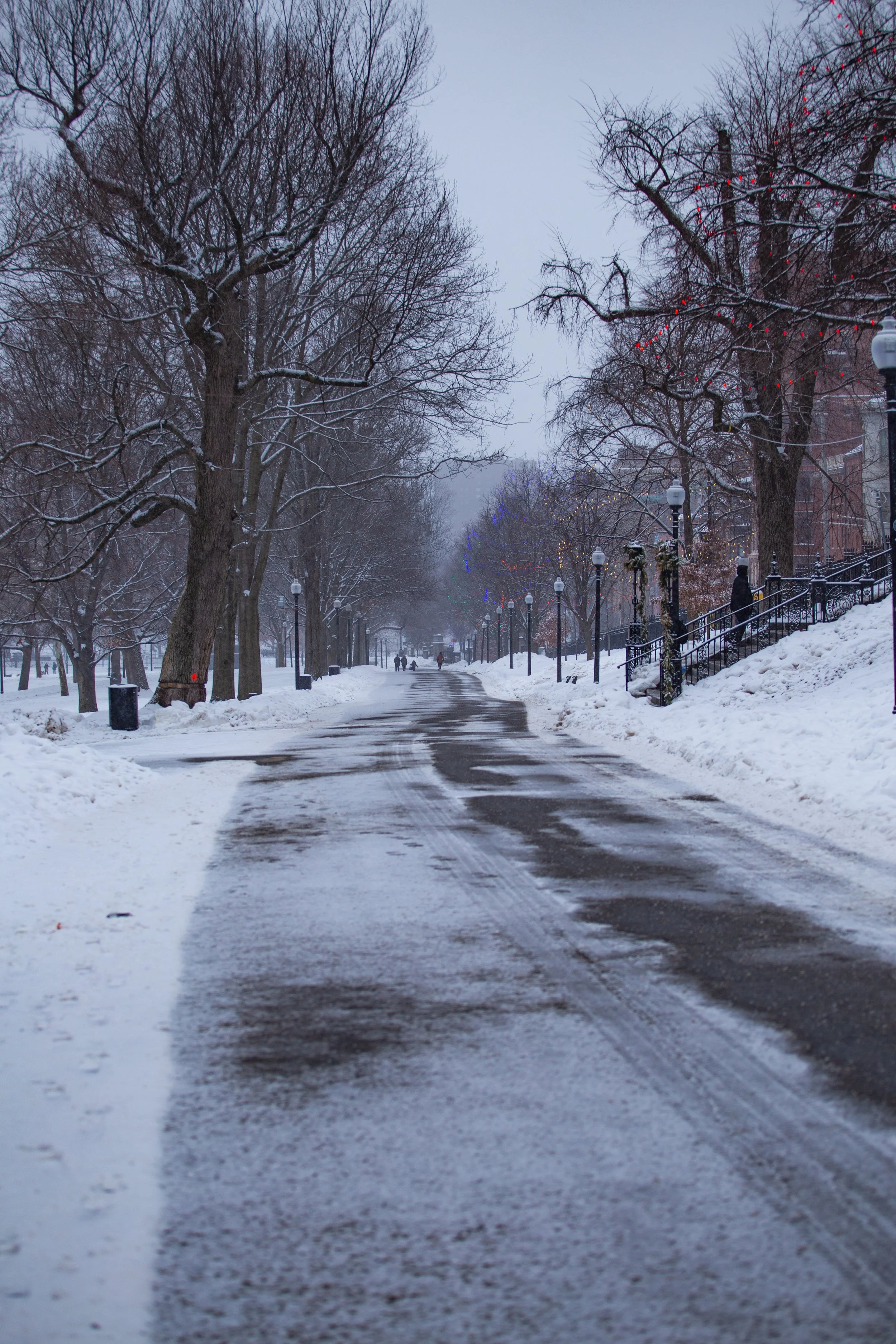
Boston Common Hill (0.28 mile, 72ft, 2.3% Grade)
The warmup ends. The real work begins. I have two hill repeat sessions to choose from:
• Option 1: 3 × 90 seconds at threshold effort with a moderate run downhill between intervals; 6 × 60 seconds at 5K effort with a jog down; 6 × 30 seconds fast with a jog down.
• Option 2: 8 × 45 second hills with a jog down, a 3-minute jog, then 4 × 20 second hill sprints with a jog down.
This terrain is ideal preparation for Boston Marathon training, especially for the mental and muscular demands of Heartbreak Hill.
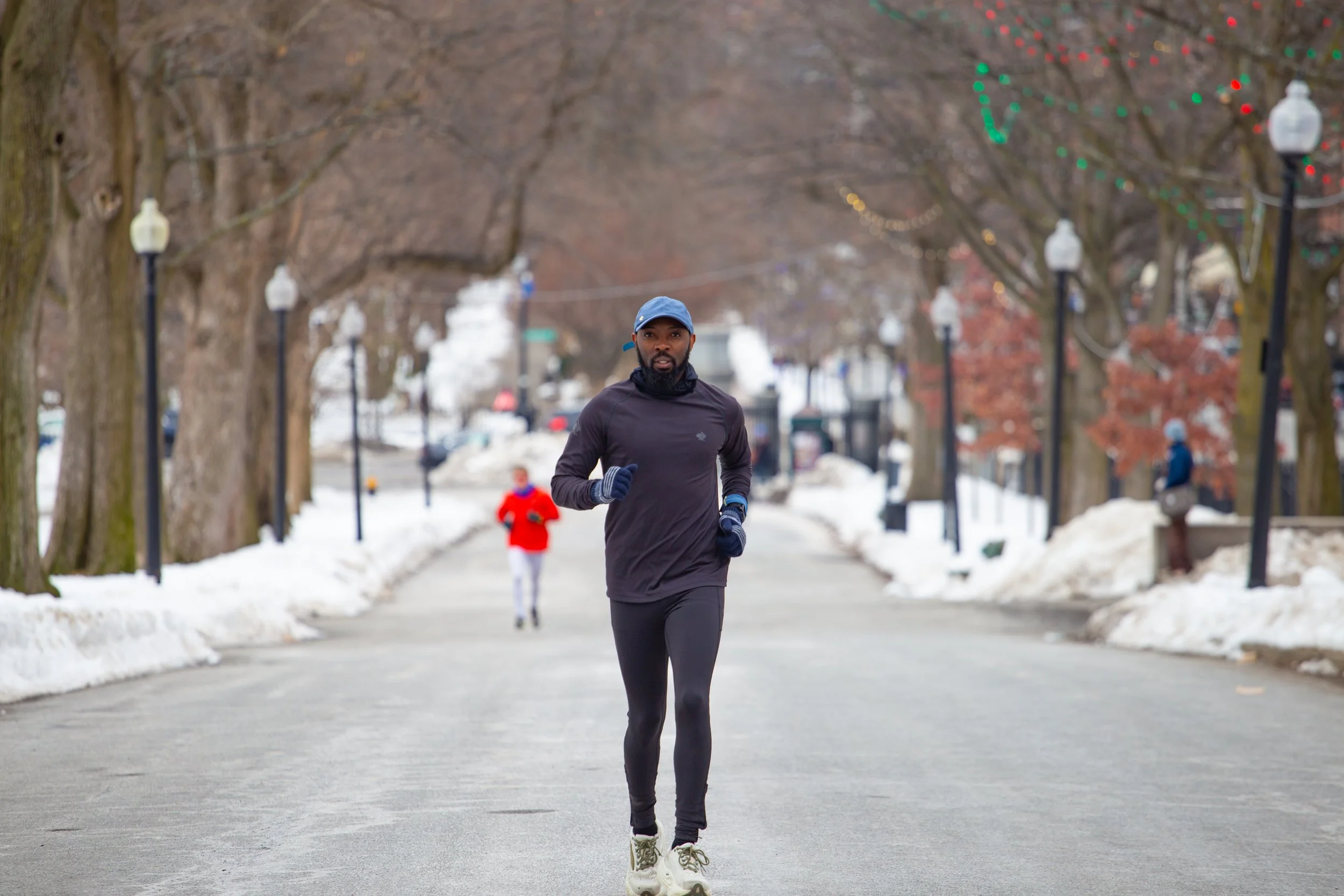
Hill Repeats
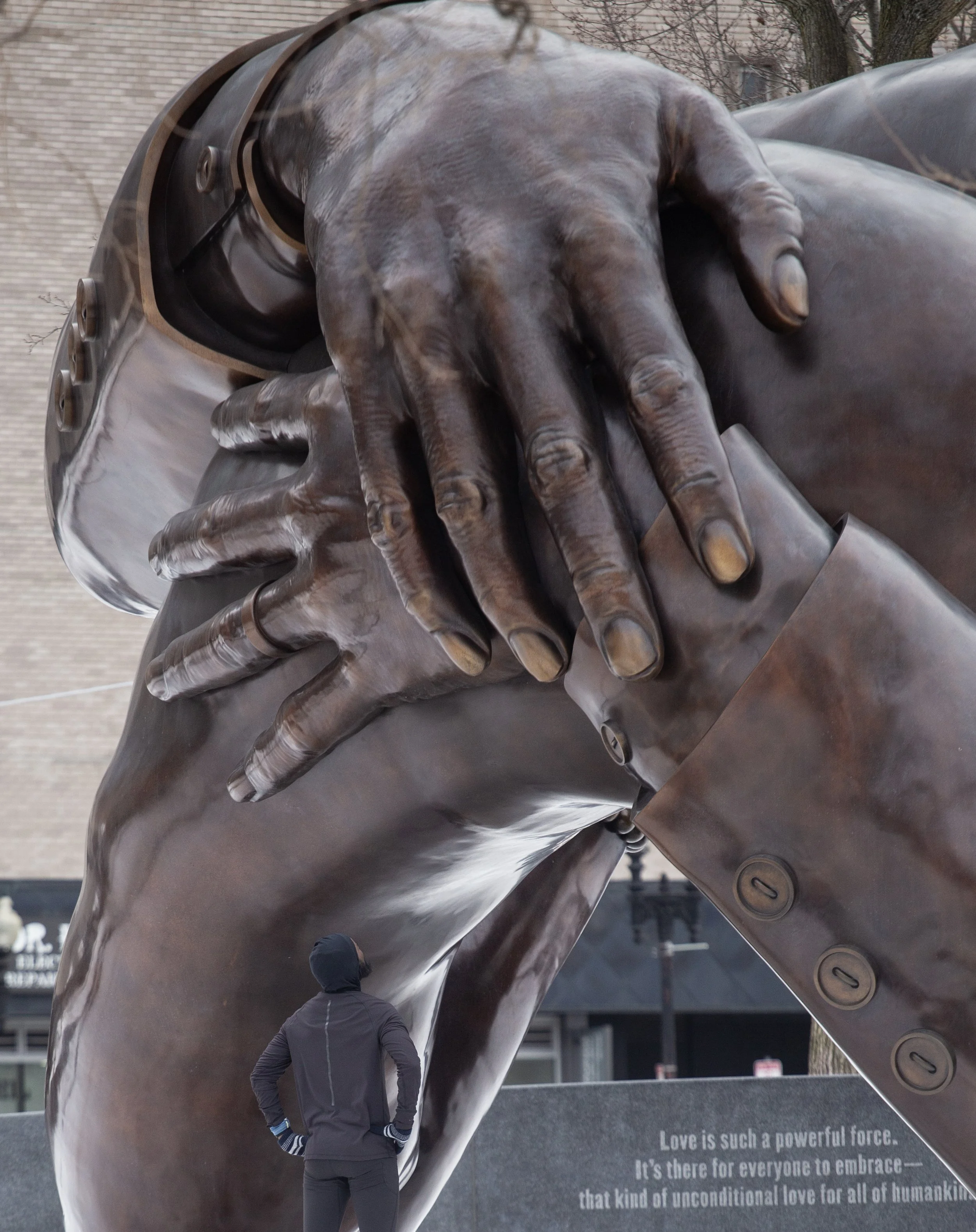
For the cool down, after the hill repeats session, a loop around the Common brings you past The Embrace, the sculpture honoring Martin Luther King Jr. and Coretta Scott King, who met in Boston in 1952. There are no faces to fix my gaze on, no pedestal to elevate the moment, no single angle that explains it. Just bronze arms locked mid-gesture. As I circle, the sculpture shifts. From one side it feels incomplete. From another, it feels like motion briefly paused rather than finished.
I stop my watch.
The Embrace
